Smart Buildings, New Risks: What AI Means for High-Rise Reliability

As high-rises become more dependent on AI and connected systems, lightning-related electrical disturbances can have greater impact than ever before
High-rise buildings are getting smarter.
AI-driven systems now control HVAC, elevators, energy optimization, access control, and building automation. These technologies are improving efficiency—but they are also increasing a building’s dependence on sensitive electrical and digital infrastructure.
And that introduces a growing, often overlooked risk:
Lightning-related electrical disruption.
The Hidden Vulnerability in Smart Buildings
Modern high-rises rely on:
- Building Management Systems (BMS)
- AI-driven HVAC optimization
- Smart elevators and access systems
- IoT sensors and connected devices
These systems are highly sensitive to:
- voltage spikes
- electromagnetic disturbances
- grounding inconsistencies
- lightning strikes
A lightning strike doesn’t need to cause a direct strike to create impact. Electrical disturbances can:
- shut down HVAC systems
- disrupt elevators
- damage control boards
- trigger system-wide resets
Why This Matters More Now
As buildings become more intelligent, they also become more interconnected.
That means a single electrical disturbance can cascade across multiple systems.
In high-rise environments, this can result in:
- loss of cooling in mechanical rooms
- tenant disruption
- operational downtime
- costly repairs and insurance claims
The Gap in Traditional Protection
Most buildings rely on lightning protection systems designed to:
- attract a lightning strike
- safely conduct that energy to ground
The challenge is that these systems are reactive by design—they engage only after a strike occurs.
They do not address:
- electrical disturbances leading up to a strike
- atmospheric charge buildup around the structure
- the vulnerability of sensitive digital and control systems
A Shift Toward Prevention
As infrastructure evolves, so should protection strategies.
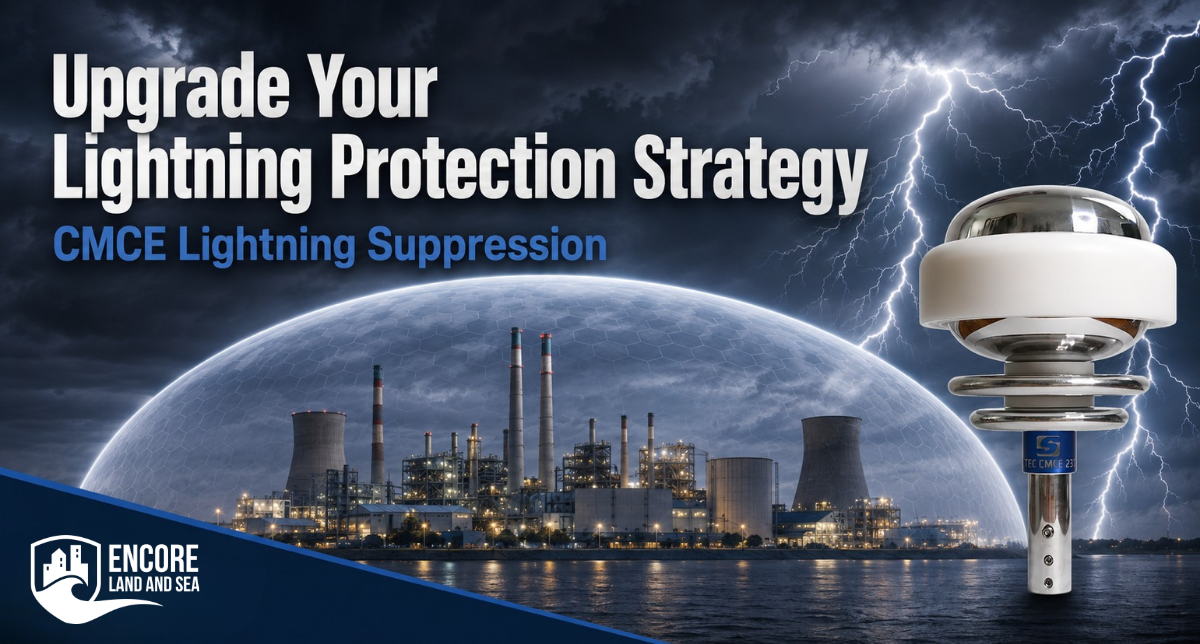
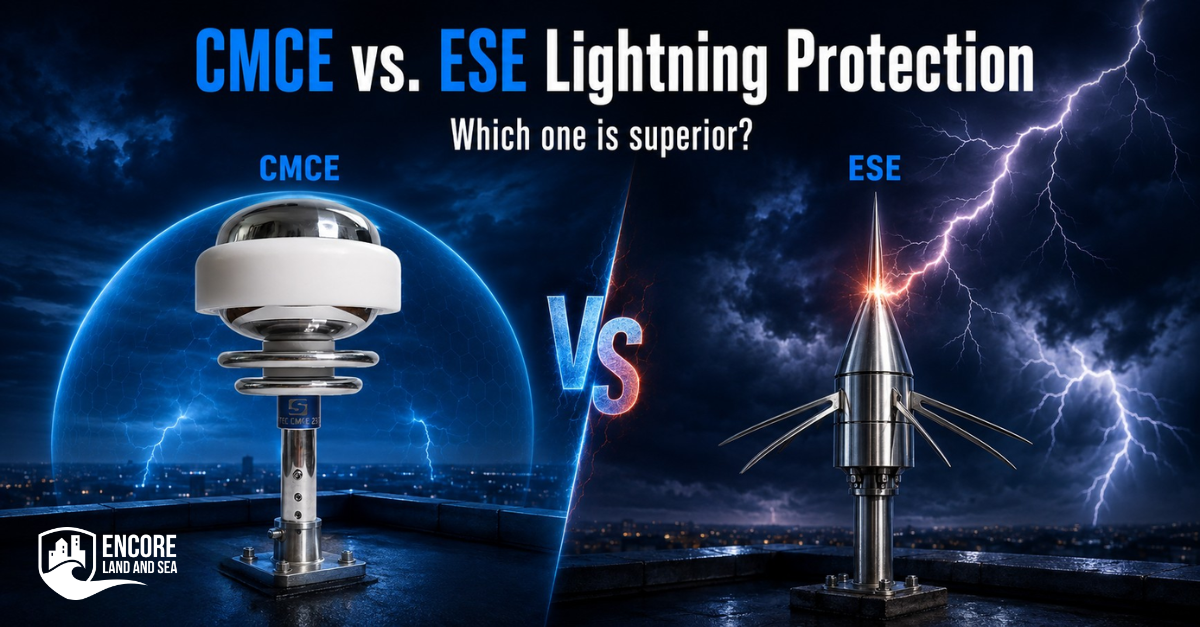
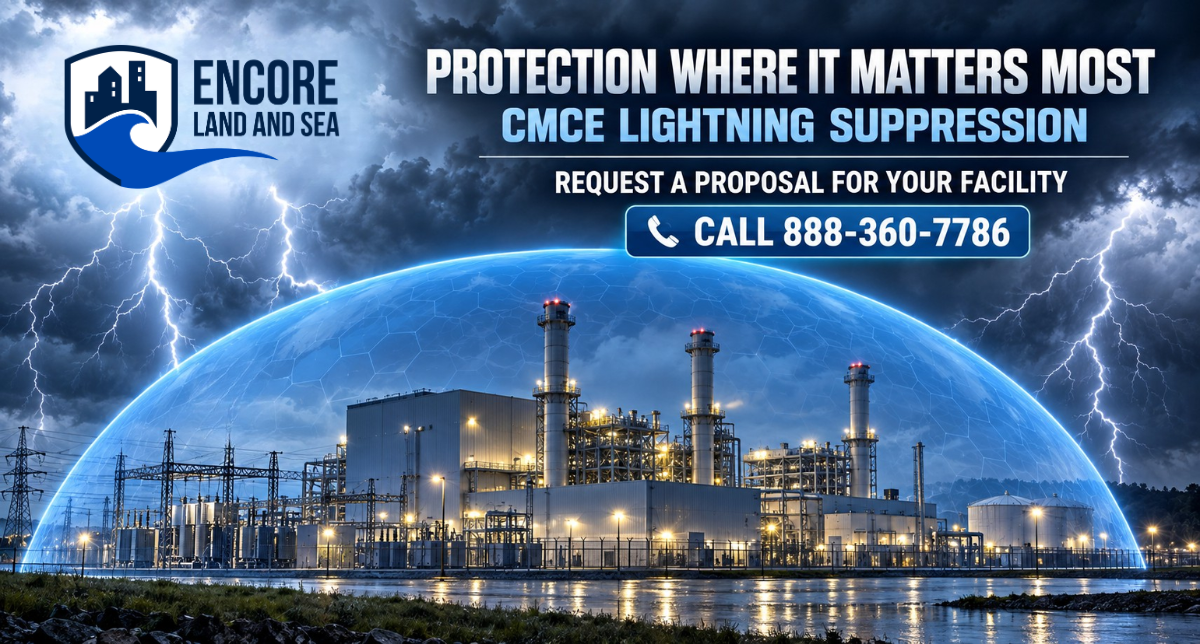
CMCE Lightning Suppression Technology focus on:
- eliminating atmospheric electrical imbalance
- alleviating conditions that lead to lightning formation
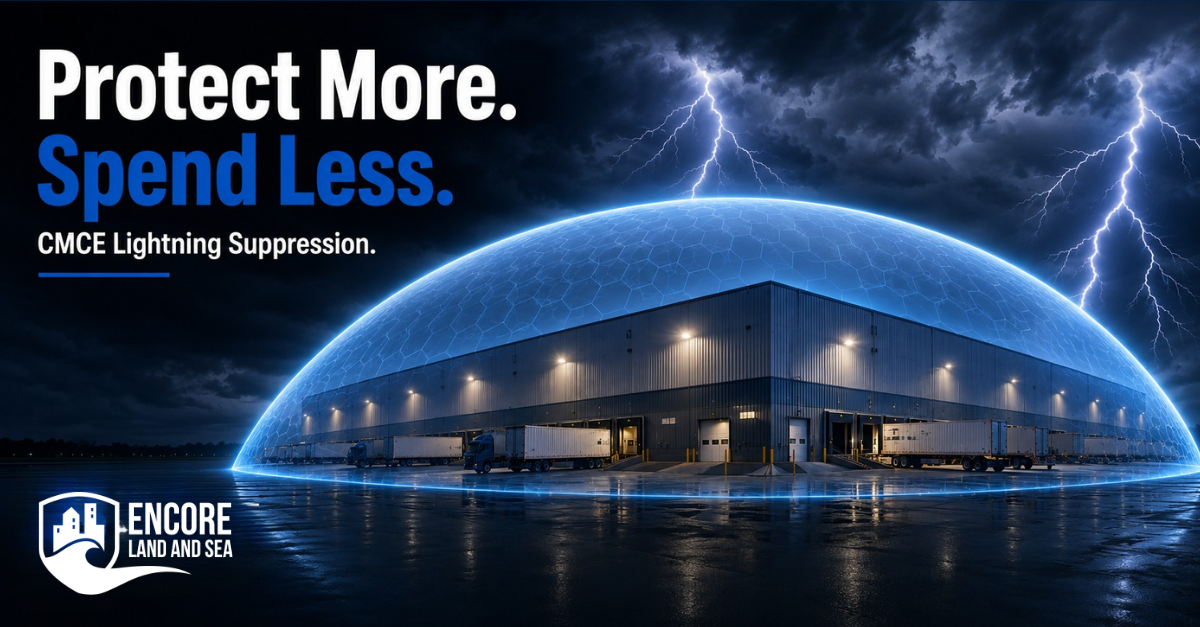
- protecting entire building zones—not just strike points, with a dome of lightning-free protection
What Property Managers and Engineers Should Ask
- What systems in our building are most sensitive to electrical disturbances?
- What happens to operations if our mechanical room goes offline?
- How is our building protected from lightning strikes?
- Does our lightning protection align with our technology-forward infrastructure?
Final Thought
Smart buildings require smarter protection strategies.
As AI continues to transform how buildings operate, resilience against the impact of lightning strikes becomes critical—not optional.
If you’re evaluating how lightning risk may impact your building’s reliability, now is the time to start the conversation.
Explore CMCE Lightning Suppression Technology: https://www.encorelandandsea.com/
Speak with a Representative: (888) 360-7786
Request a custom quote: sales@encorelandandsea.com
#technology #protectingyoursmartbuilding #lightningstrikedamage #lightningdamage #PropertyManagement #FacilitiesManagement #BuildingManagement #CommercialRealEstate #MultifamilyHousing #HighRiseLiving #CondoManagement #HOA #BuildingOperations #BuildingSafety #RiskManagement #Infrastructure #Resilience #Lightning #SevereWeather #StormPreparedness #insurance #operationalrisk #operationaldisruptions #FloridaRealEstate #FloridaPropertyManagement #MiamiRealEstate #TampaRealEstate #SouthFloridaPropertyManagement