The Most Expensive Part of a Plant Shutdown Isn’t the Repair

Rachel Rowland • July 28, 2026

Share this article

The Most Expensive Part of a Plant Shutdown Isn’t the Repair

When lightning disrupts a wastewater treatment plant, most people think about damaged electrical equipment. 


Burned PLCs. Failed control panels. Damaged motors. 


While these repairs can be costly, they often aren't the biggest financial burden. 


The true expense begins when operations stop. 


Every minute of downtime can trigger overtime labor, regulatory obligations, environmental risks, emergency response efforts, lost treatment capacity, and damage to public confidence. For facilities that operate 24/7, maintaining uninterrupted operations is essential


Downtime Creates a Chain Reaction of Costs


Modern wastewater treatment plants rely on interconnected electrical and automation systems. A lightning-related interruption can impact SCADA systems, motor control centers (MCCs), pumps, VFDs, instrumentation, and communications infrastructure. 


Even after damaged equipment is repaired, the operational and financial impacts often continue. 


Some of the biggest hidden costs include: 


  • Overtime labor to bring in maintenance personnel, electricians, engineers, and operators for emergency repairs. 
  • Regulatory reporting that may require documentation, investigations, and notifications following operational interruptions. 
  • Environmental compliance risks if treatment performance is affected, increasing the potential for permit violations or enforcement actions
  • Emergency response efforts involving coordination with utility providers, municipal leadership, and internal teams. 
  • Lost treatment capacity that strains operations and reduces flexibility while systems are restored. 
  • Public perception, as service disruptions can erode confidence in critical municipal infrastructure. 


The Real Cost Extends Beyond Equipment 


Traditional lightning protection systems are designed to manage lightning after a strike has already formed. 


That may help protect structures, but it doesn't necessarily prevent the operational interruption that can bring a wastewater treatment plant offline. 


For most facilities, avoiding downtime is far more valuable than replacing damaged equipment. 


Eliminate Lightning-Related Operational Risk 


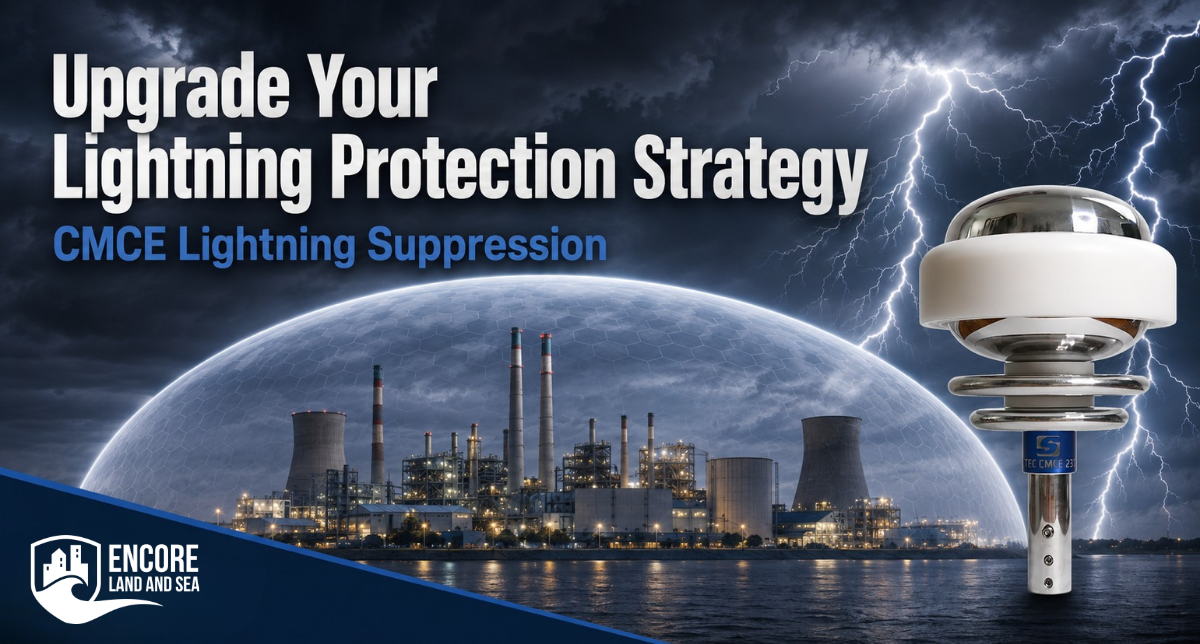
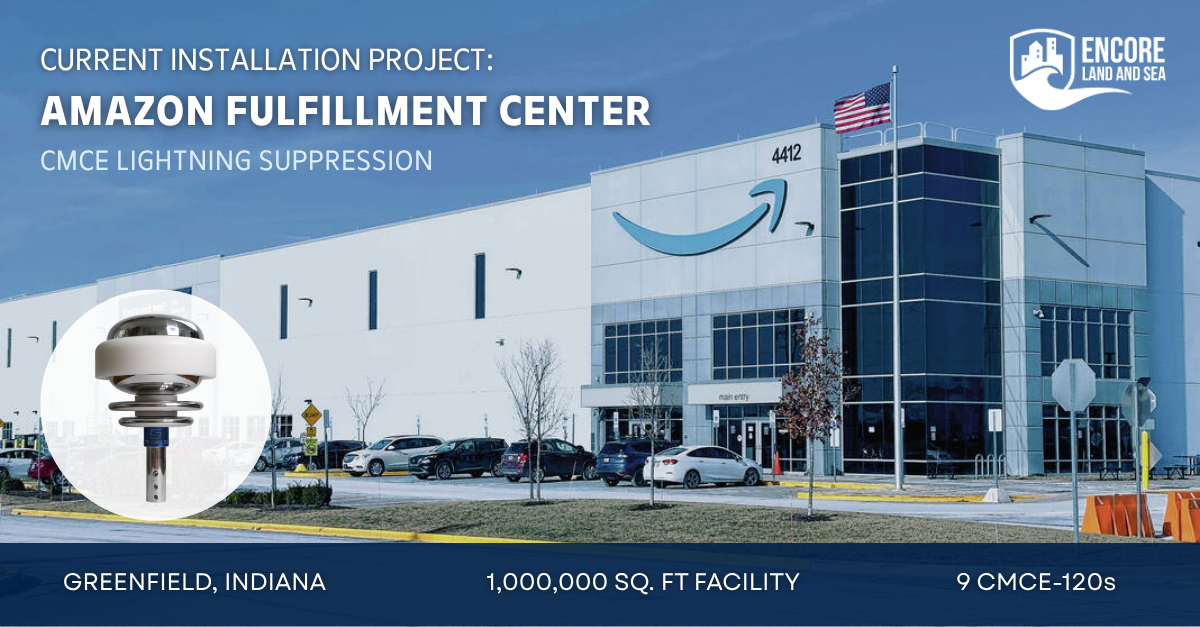
Unlike conventional lightning protection, the CMCE Lightning Suppressor actively neutralizes the electrical charges in the atmosphere that lead to lightning – eliminating the threat before it ever forms. This system provides a lightning-strike-free dome over the protected area. 


For wastewater treatment plants, this superior approach supports operational continuity by eliminating the risk of lightning-related interruptions. 


Facilities implement CMCE Lightning Suppression to: 


  • Improve operational reliability 
  • Reduce downtime risk 
  • Protect critical electrical infrastructure 
  • Support continuous treatment operations 
  • Help maintain environmental compliance 


Protect Operations, Not Just Equipment 


The cost of a plant shutdown isn't measured by replacement parts alone. 


It's measured by emergency labor, compliance challenges, operational disruption, lost treatment capacity, and the impact on public trust. 


A proactive lightning protection strategy helps wastewater treatment plants reduce operational risk, improve resilience, and keep essential treatment processes running when reliability matters most.


Upgrade Your Lightning Protection Strategy


Contact Encore Land and Sea to request a proposal and learn how CMCE technology can protect your facility from the dangers of lightning strikes. 


Phone: (888) 360-7786 


Email: sales@encorelandandsea.com 


Website: www.encorelandandsea.com 

How Vulnerable Is Your Property to Lightning? 


Take our free assessment to receive an instant lightning risk score and expert analysis based on your property’s unique characteristics. 

Recent Posts

Liquified natural gas facility near the ocean
By Rachel Rowland July 21, 2026
Discover how common-cause failures like lightning can overwhelm redundant systems and why proactive lightning suppression strengthens facility resilience.
Thunderstorm with lightning over the ocean with Encore Land and Sea logo
By Rachel Rowland July 14, 2026
Learn essential summer lightning safety tips to protect yourself, your family, and your workplace before, during, and after thunderstorms.
CMCE Lightning Suppressor. More lightning protection capability. Maximum uptime. Encore Land and Sea
By Rachel Rowland July 7, 2026
Discover why industrial facilities are choosing CMCE Lightning Suppression for greater coverage, maximum uptime, and internationally certified lightning protection.
By Amanda Ankenbauer July 7, 2026
Olympus Harbour Island Apartments trusts CMCE Lightning Suppression to protect its property and residents.
Inside a data center with rows of blue servers
By Rachel Rowland June 30, 2026
Learn why data centers are adopting lightning suppression to reduce the risk of direct lightning strikes, improve uptime, and protect critical infrastructure.
Industrial facility building with a dome of lightning protection
By Rachel Rowland June 23, 2026
Learn how CMCE Lightning Suppression Technology works to eliminate lightning strike risk through atmospheric deionization and field balancing.
Wastewater treatment facility with Encore Land and Sea logo
By Rachel Rowland June 17, 2026
Discover the best lightning protection for wastewater treatment plants and how CMCE Lightning Suppression helps prevent strikes, downtime, and damage.
Data center with text saying
By Rachel Rowland June 10, 2026
As downtime costs rise, data centers are evaluating proactive lightning suppression to protect critical infrastructure and business continuity.
By Dick Putt May 27, 2026
For over a century, lightning rods have been the default answer to lightning protection. Their purpose is straightforward: intercept the strike and safely carry that energy to the ground. On paper, it sounds complete. In practice, it leaves a critical gap. But here’s the reality: many buildings equipped with lightning rods still experience damage during storms. Not because the system is broken—but because of what it was designed to do.
High Rise Lightning Protection | CMCE Lightning Suppression
By Dick Putt April 29, 2026
Elevators, rooftop HVAC, and electrical systems are your building's most vulnerable points. See how the CMCE lightning suppressor protects critical infrastructure before the first strike forms.
Show More