Power generation facilities have modernized nearly every part of their operations—from automation and monitoring to turbines, substations, and
control systems.
Yet many still rely on traditional lightning rods, a technology designed to accept and conduct lightning strikes rather than prevent them.
For facilities where uptime is critical,
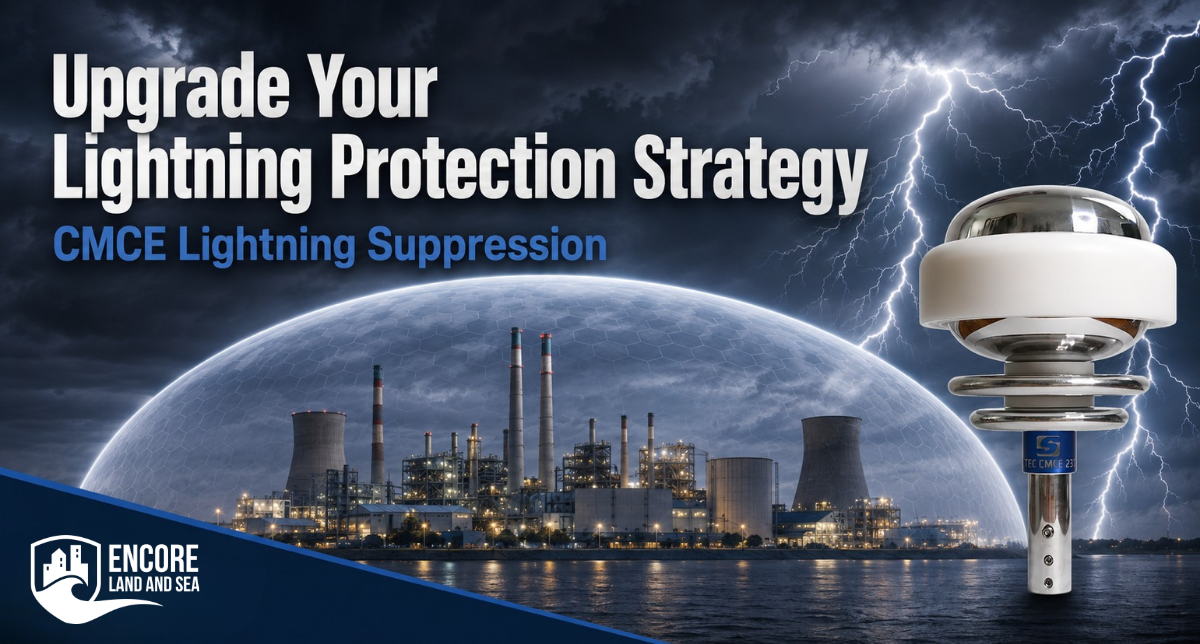
CMCE Lightning Suppression offers a more advanced approach: preventing lightning strike formation within the protected area.
Traditional Lightning Rod Systems Still Allow Direct Lightning Strikes
Many power generation sites already have lightning rods in place but still experience lightning-related disruptions.
That is because
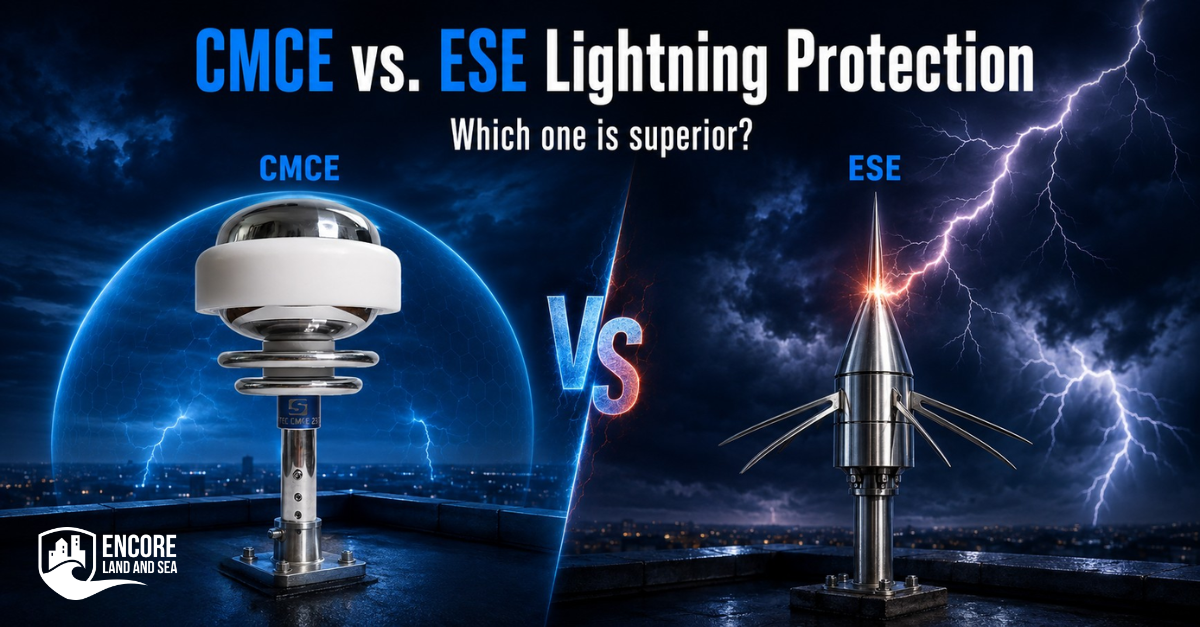
conventional lightning protection systems are designed to provide a preferred attachment point and route the electrical current toward ground. The lightning strike still occurs.
Even when grounding performs as intended,
a strike can create risks for::
- Electrical equipment
- Control and monitoring systems
- Transformers and switchgear
- Communications infrastructure
- Sensitive electronics
- Facility uptime
For critical power infrastructure, managing a strike may no longer be enough.
Lightning Strikes Can Disrupt Power Generation Equipment and Facility Uptime
Modern power generation sites are highly interconnected.
A lightning strike can introduce significant electrical energy into grounding systems, nearby equipment, communications networks, and sensitive electronics.
The result can be equipment damage, emergency maintenance, operational delays, and costly downtime.
When reliable power matters, preventing the strike itself can provide a stronger layer of protection.
CMCE Lightning Suppression Prevents Lightning Strike Formation
CMCE Lightning Suppression takes a fundamentally different approach.
Instead of attracting or accepting lightning, CMCE technology is designed to
prevent the electrical conditions required for a direct lightning strike to form within its coverage area.
The system continuously works by neutralizing the surrounding electromagnetic field and eliminating the conditions that contribute to upward streamer formation.
A
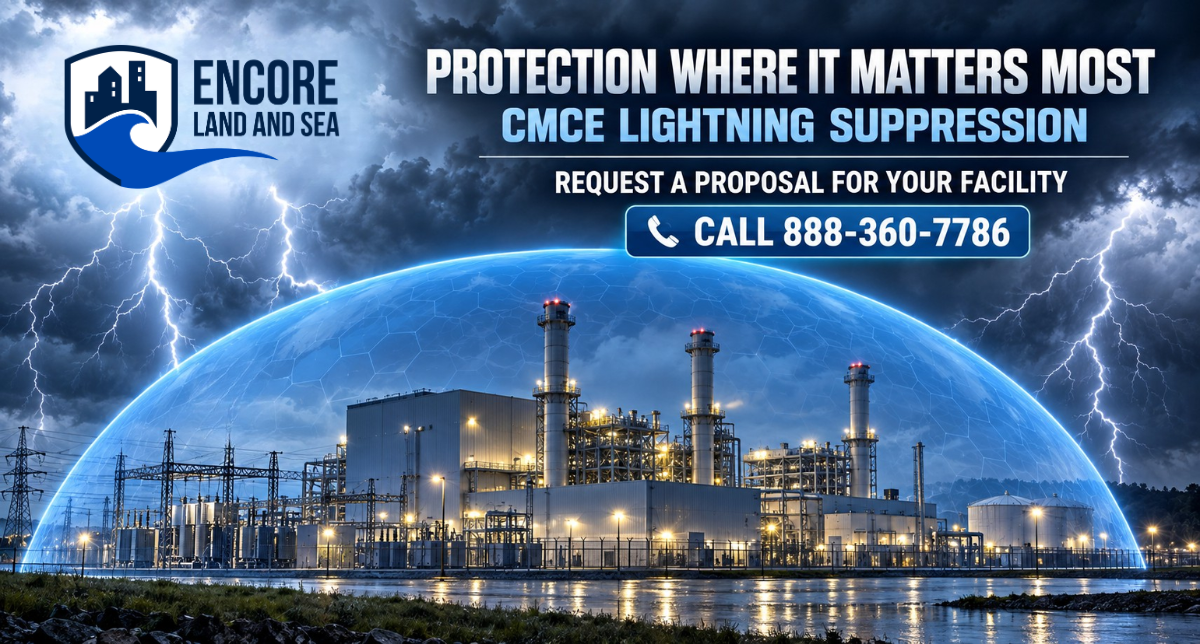
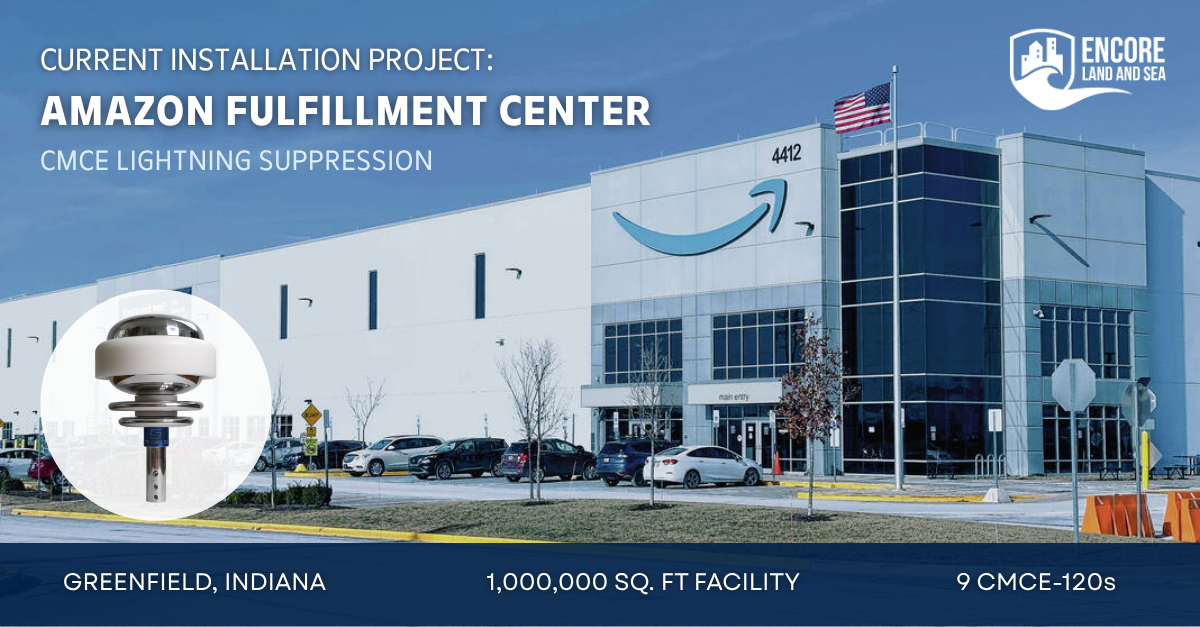
CMCE-120 Lightning Suppressor can provide approximately an
800-foot diameter of coverage, creating a large strike-free protective dome around infrastructure.
Multiple systems can also be positioned strategically to protect larger facilities.
Modern Infrastructure Deserves Modern Protection
Power generation technology has evolved. Lightning protection should, too.
CMCE allows facilities to shift the strategy from:
“Where should lightning strike?”
to:
“How can we prevent lightning from striking here?”
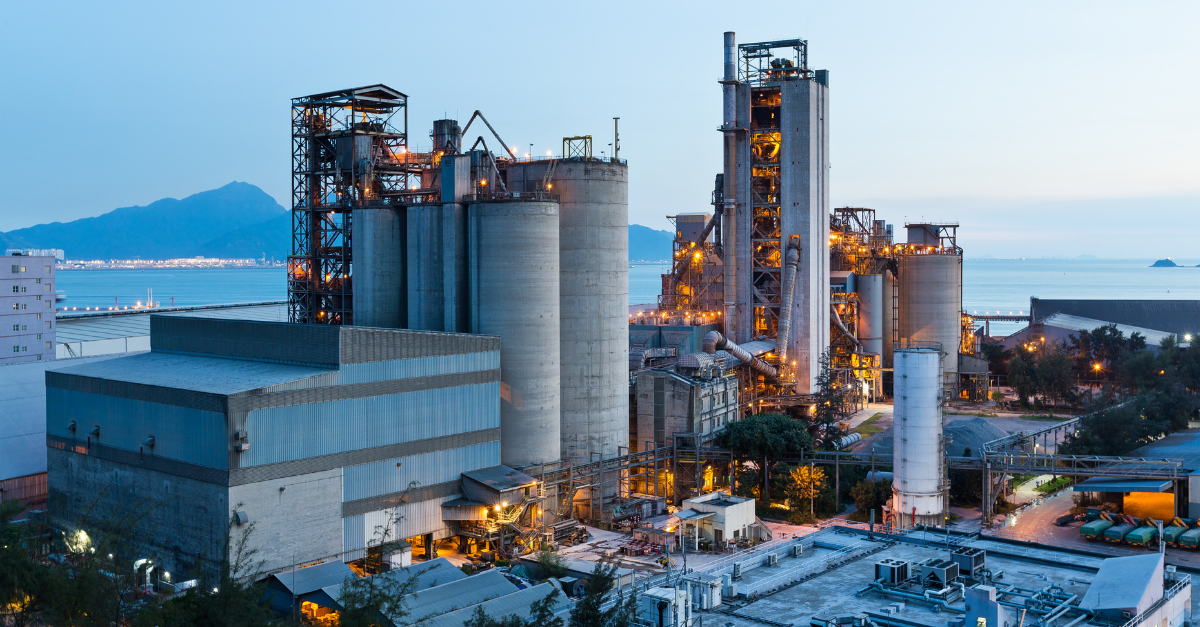
CMCE can help protect generation equipment, substations, transformers, control buildings, communications systems, and other critical infrastructure while requiring significantly less infrastructure than extensive lightning rod networks.
Proven CMCE Lightning Suppression Technology for Critical Infrastructure
CMCE Lightning Suppression has been deployed across power generation, industrial, utility, commercial, maritime, and critical infrastructure environments worldwide.
The technology is backed by laboratory and field testing and supported by
internationally recognized certifications and standards.
For facilities that cannot afford unnecessary downtime, CMCE offers a modern alternative to conventional lightning protection.
Upgrade Your Lightning Protection Strategy
If your power generation facility relies on lightning rods but still experiences lightning-related disruptions, it may be time to modernize.
Contact Encore Land and Sea to
request a proposal and learn how
CMCE technology can protect your facility from the dangers of lightning strikes.
Phone:
(888) 360-7786
Email:
sales@encorelandandsea.com
Website:
www.encorelandandsea.com