Lightning Deserves Its Own Place in High-Rise Risk Management
Luxury high-rises are built around preparation. Boards and property managers plan for hurricanes, maintain generators, inspect roofs, test life-safety systems, review emergency procedures, and prepare residents for severe weather.
But one important question is often missing from that conversation:
What is the building’s lightning plan?
A property can be worth tens of millions of dollars, contain sophisticated mechanical and electrical systems and provide a premium residential experience—yet still have no clearly defined strategy for managing direct lightning risk.
Lightning deserves its own place in high-rise risk management because the consequences of a strike can extend far beyond visible exterior damage.
Here are
five questions every high-rise board and property manager should be able to answer.
1. What Happens If Lightning Interacts with the Building?
When people think about lightning damage, they often picture a burn mark, damaged concrete, or a visible strike point.
For a modern high-rise, the concern is much broader.
Lightning can interact with interconnected building systems that residents rely on every day, including:
- Elevators
- HVAC controls
- Fire and life-safety systems
- Access control and security systems
- Communications infrastructure
- Rooftop mechanical equipment
- Electrical equipment
- Building automation systems
The result may not simply be a physical repair. It can become a
resident experience issue, operational issue, and property-management issue.
A luxury building is expected to operate like a luxury building. Residents expect elevators, climate control, security, communications and critical systems to work reliably—even during severe weather.
That makes lightning more than a roofing concern. It is a building-wide risk management concern.
2. What Does Your Current Lightning Protection Actually Do?
This is a question many board members and even property managers may not immediately be able to answer.
Does your property have:
- A conventional lightning protection system?
- Surge protection?
- Grounding and bonding?
- A combination of these systems?
- No coordinated lightning strategy at all?
Each serves a different purpose.
A building may have electrical surge protection without having a strategy for direct lightning exposure. It may have grounding without a defined approach to strike attachment. It may also have conventional lightning protection that has been in place for years without the board fully understanding how it functions.
The first step in improving lightning protection is simply understanding
what is already installed and what that system is designed to accomplish.
3. Are You Protecting the Building—or Responding to a Strike?
This is where the difference between lightning protection approaches becomes important.
Traditional lightning protection is generally designed around
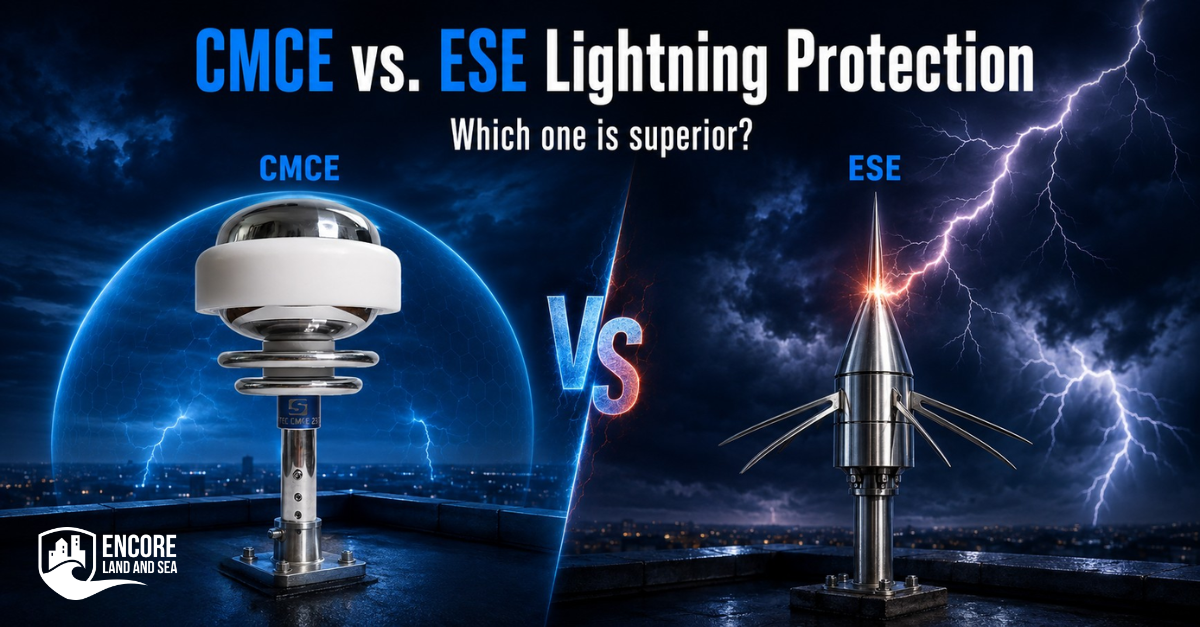
intercepting a lightning strike and providing a controlled path for the electrical energy to reach ground.
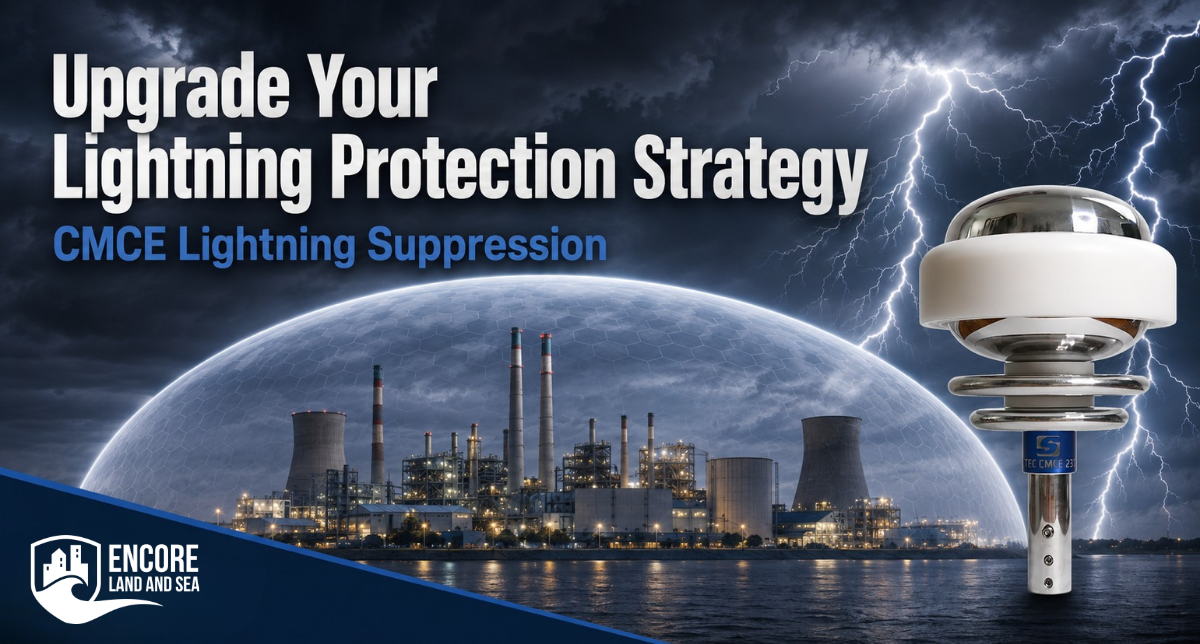
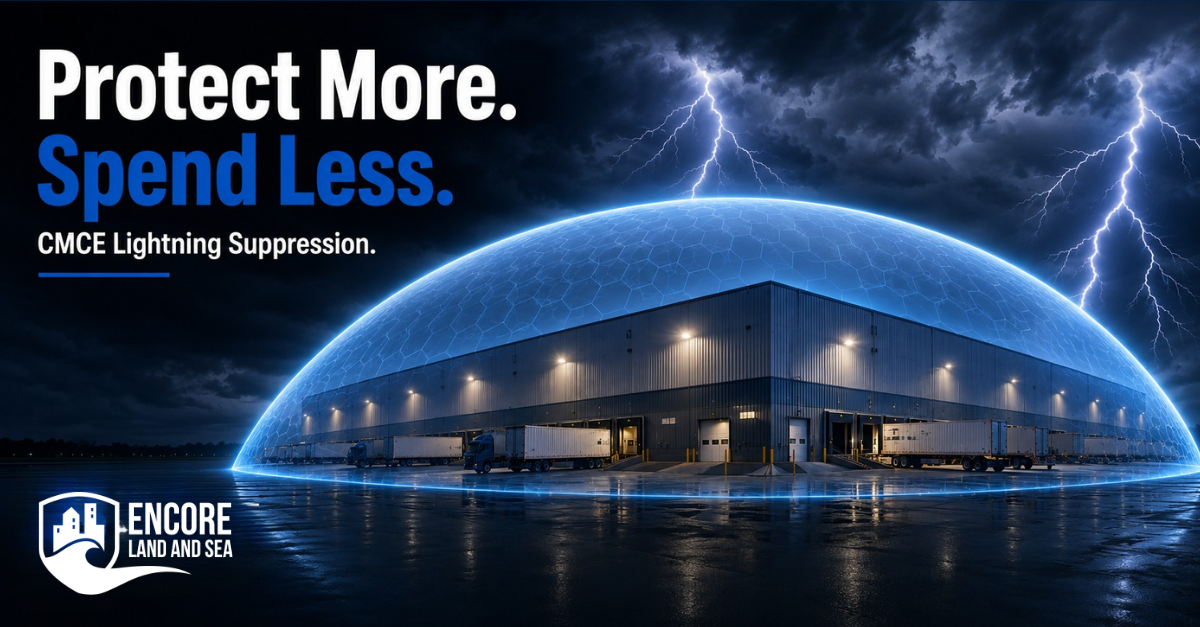
CMCE Lightning Suppression takes a different approach. CMCE technology is designed to neutralize the surrounding electromagnetic field and reduce the conditions necessary for an upward streamer to develop within the protected area.
Instead of focusing only on what happens
after attachment, the objective is to prevent the direct strike from forming in the protected zone.
That distinction matters when boards evaluate their broader risk strategy.
The question is not simply:
“Do we have lightning protection?”
It is:
“What is our lightning protection designed to do?”
For luxury high-rises seeking advanced risk-mitigation technology, CMCE provides another approach to consider as part of that discussion.
4. What Would One Significant Lightning Event Cost the Property?
There is no single number that applies to every high-rise.
The impact depends on where lightning interacts with the building, which systems are affected, and how quickly repairs can be completed.
But the true cost can extend well beyond replacing a single damaged component.
A significant event could potentially involve:
- Equipment replacement
- Electrical or mechanical contractors
- Elevator service interruptions
- HVAC or building-control issues
- Emergency repairs
- Insurance claims
- Resident complaints
- Temporary operational disruptions
- Damage to rooftop systems
- Additional inspections and testing
For luxury residential communities, there is also a less tangible consideration:
Resident confidence.
Residents are paying for a premium property experience. Repeated outages, elevator disruptions, or building-system failures can quickly become more than a maintenance problem.
They become part of how residents perceive the building itself.
That is why lightning risk should be evaluated proactively rather than only after an incident occurs.
5. When Was Your Building’s Lightning Exposure Last Evaluated?
Buildings change. Equipment is added. Rooftops are modified. Communications systems expand. Mechanical infrastructure is upgraded. Surrounding development changes.
Yet lightning exposure may never be reassessed.
A professional lightning risk evaluation can help boards and property managers understand:
- The property's physical exposure
- Building height and configuration
- Critical rooftop assets
- Electrical and mechanical infrastructure
- Existing protection measures
- Potential operational consequences
- Areas that may deserve additional attention
The goal is not to create unnecessary fear around thunderstorms.
It is to make lightning part of the same structured risk-management conversation already happening around hurricanes, flooding, fire, building maintenance, and other major exposures.
Lightning Should Be Part of the Storm-Season Conversation
Luxury high-rises already dedicate significant time and resources to hurricane preparation.
Lightning deserves its own plan.
That does not necessarily mean every property needs the same solution. It means every board and property manager should understand the building’s exposure, know what protection is currently in place, and be able to explain the strategy behind it.
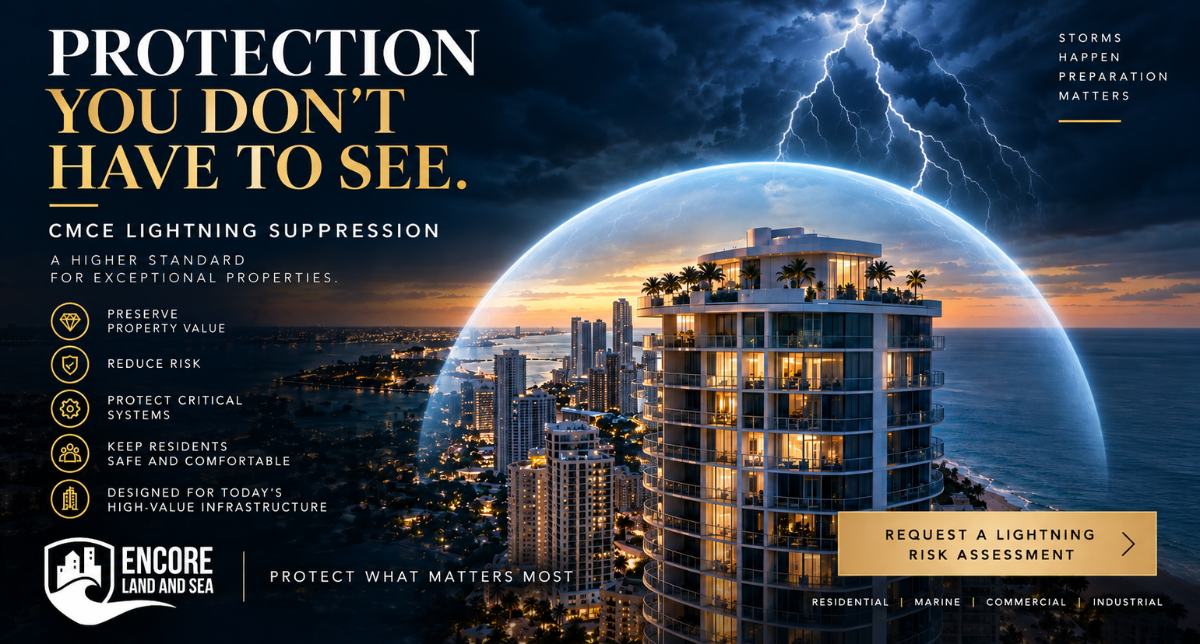
CMCE Lightning Suppression gives properties an advanced option designed around
preventing direct lightning strike formation within the protected area, rather than relying solely on interception after attachment.
For communities investing heavily in resident safety, building reliability and a premium living experience, that conversation belongs on the agenda.
A hurricane plan prepares your building for the storm. A lightning strategy addresses what can happen in a fraction of a second.
Does your building have one?
Upgrade Your Lightning Protection Strategy
If you are evaluating lightning protection for your condominium, Encore Land and Sea can evaluate your property's lightning exposure and develop a customized
CMCE Lightning Suppression design.
Request a lightning risk assessment or
schedule a consultation with our team today.
Phone:
(888) 360-7786
Email:
sales@encorelandandsea.com
Website:
www.encorelandandsea.com