Modern industrial facilities are designed with redundancy to maximize uptime and reliability.
Dual utility feeds. N+1 UPS systems. Backup generators. Redundant cooling. Multiple network paths.
These systems are built to prevent a single equipment failure from disrupting operations. But redundancy has one important limitation—it cannot eliminate
common-cause failures.
When one external event impacts multiple systems at the same time, even the most robust backup strategy can be compromised.
Redundancy Has Limits
Reliability engineers distinguish between
component failures and
common-cause failures.
A component failure affects one piece of equipment. A common-cause failure occurs when a single event simultaneously impacts multiple independent systems.
Common examples include:
- Flooding
- Fire
- Earthquakes
- Cyberattacks
- Lightning
This is why resilient facility design considers not only equipment reliability, but also the external events that could affect every layer of redundancy.
Why Lightning is Different
Lightning isn't just an electrical event—it's an operational risk. The
National Weather Service Lightning Safety resources explain why lightning remains one of the most dangerous natural hazards affecting infrastructure.
A single lightning event can affect electrical distribution, PLCs, instrumentation, communications, SCADA systems, and automation equipment simultaneously. The result may include unplanned downtime, equipment damage, process interruptions, and safety concerns.
For facilities that rely on continuous operations, lightning represents one of the most significant common-cause failure risks.
The real question isn't: “Do we have redundant equipment?”
It’s: “Have we reduced the likelihood of one event affecting all of it?”
Eliminate the Likelihood of Lightning
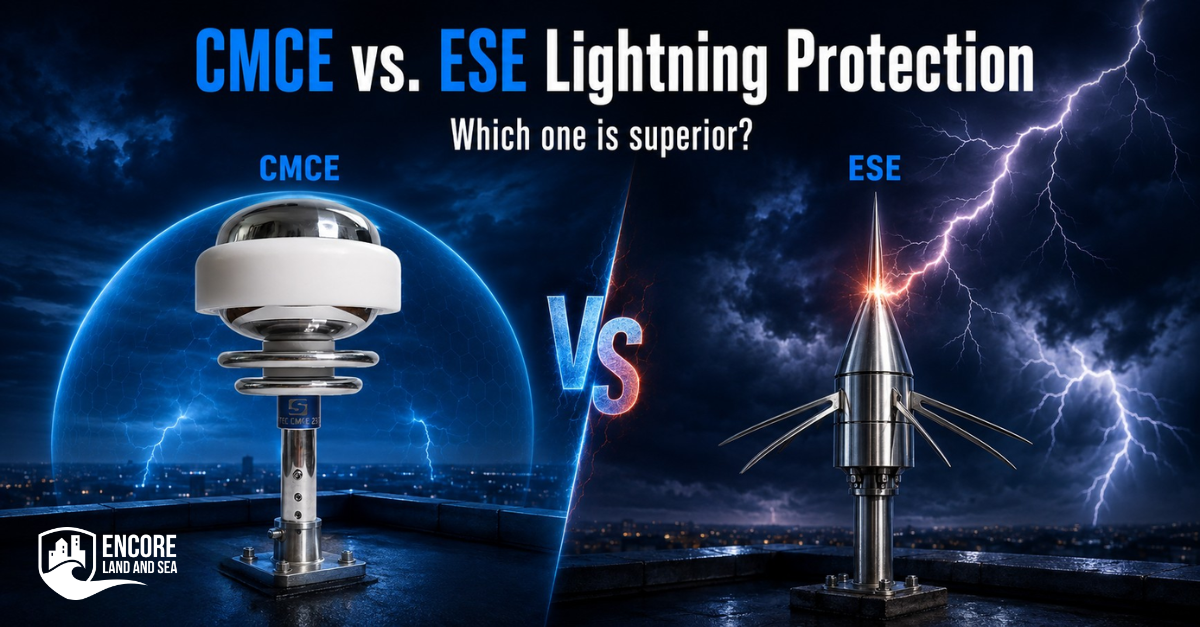
Traditional lightning rods are designed to manage the high voltages after lightning strikes, as outlined in
NFPA 780 Standard for the Installation of Lightning Protection Systems. While they remain an important part of many protection systems, they don't prevent the lightning event itself.
The
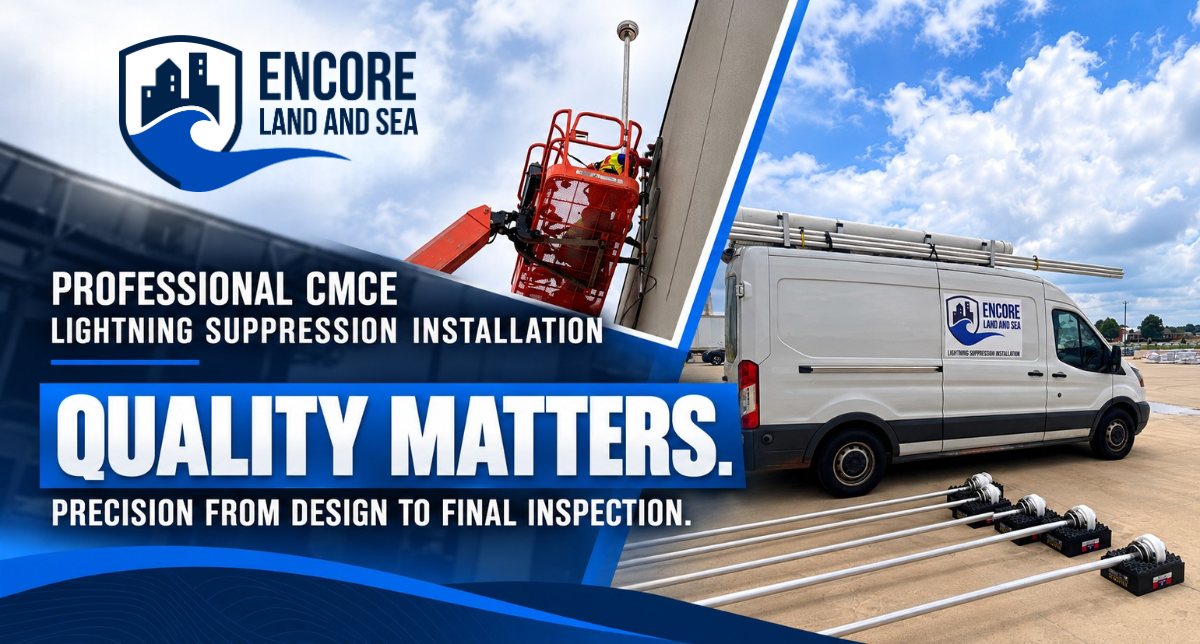
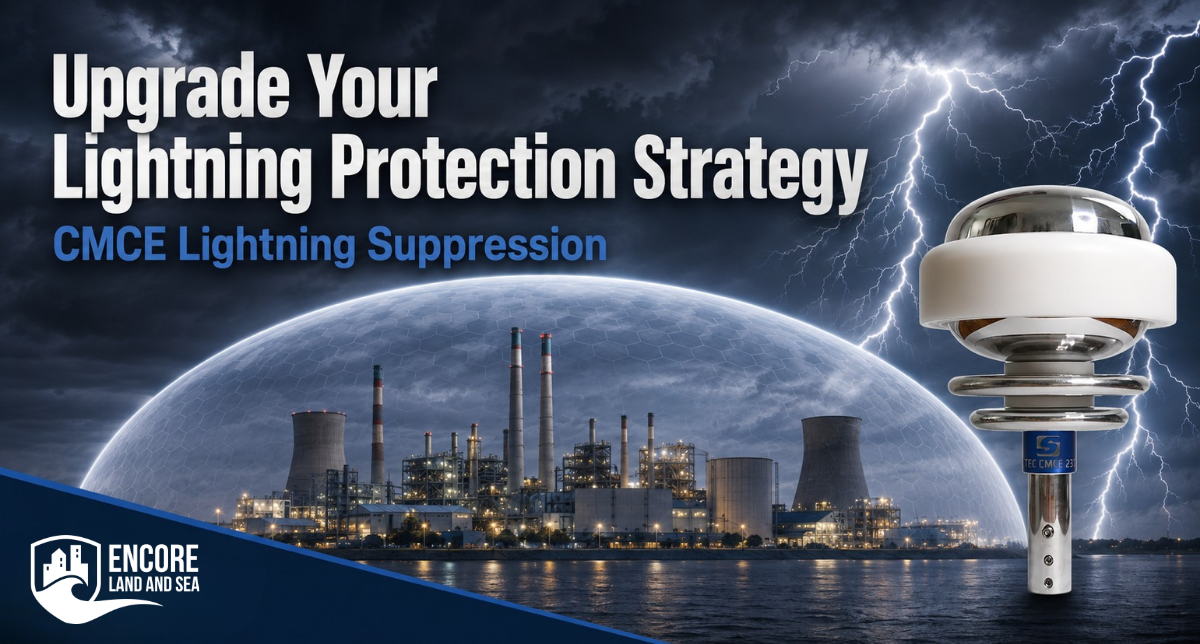
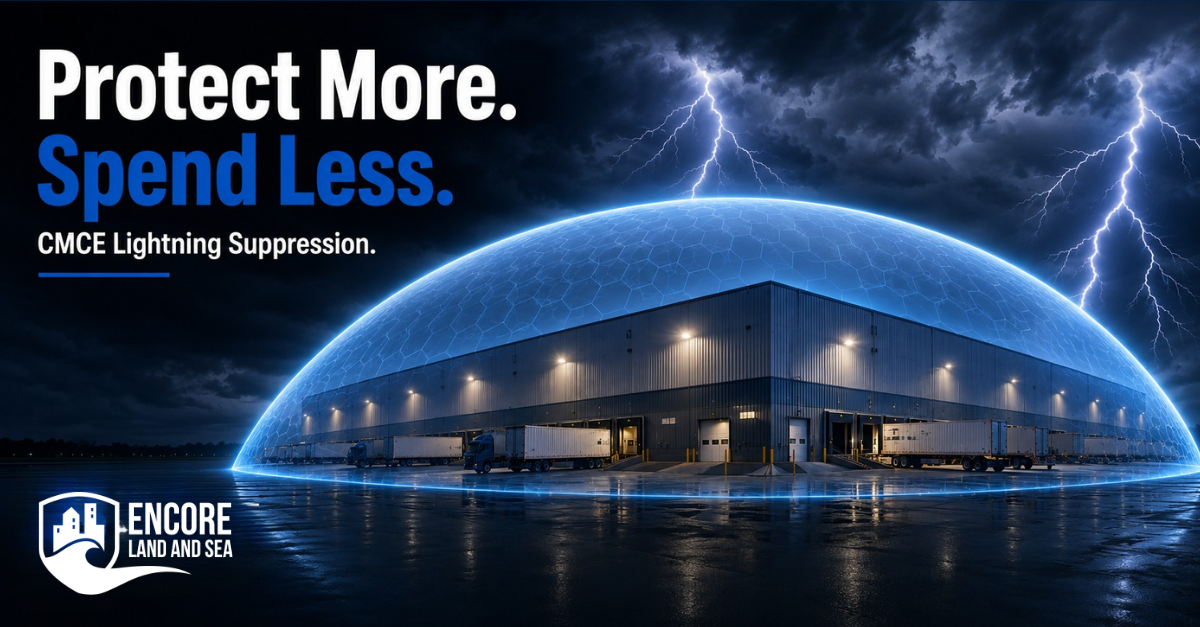
CMCE Lightning Suppressor takes an advanced approach. Using a scientifically proven process called
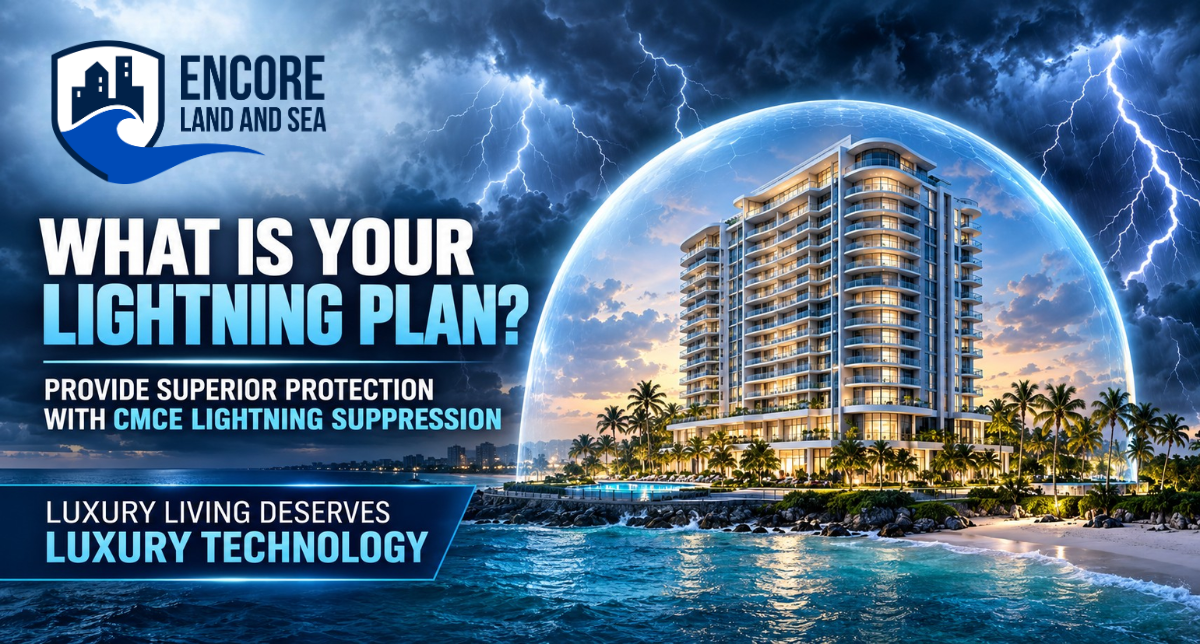
deionization, the system balances the surrounding atmospheric electric field, eradicating the conditions that lead to lightning formation. The result is a
dome
of strike-free protection over critical operational areas, eliminating exposure to one of the most disruptive common-cause threats facing industrial facilities.
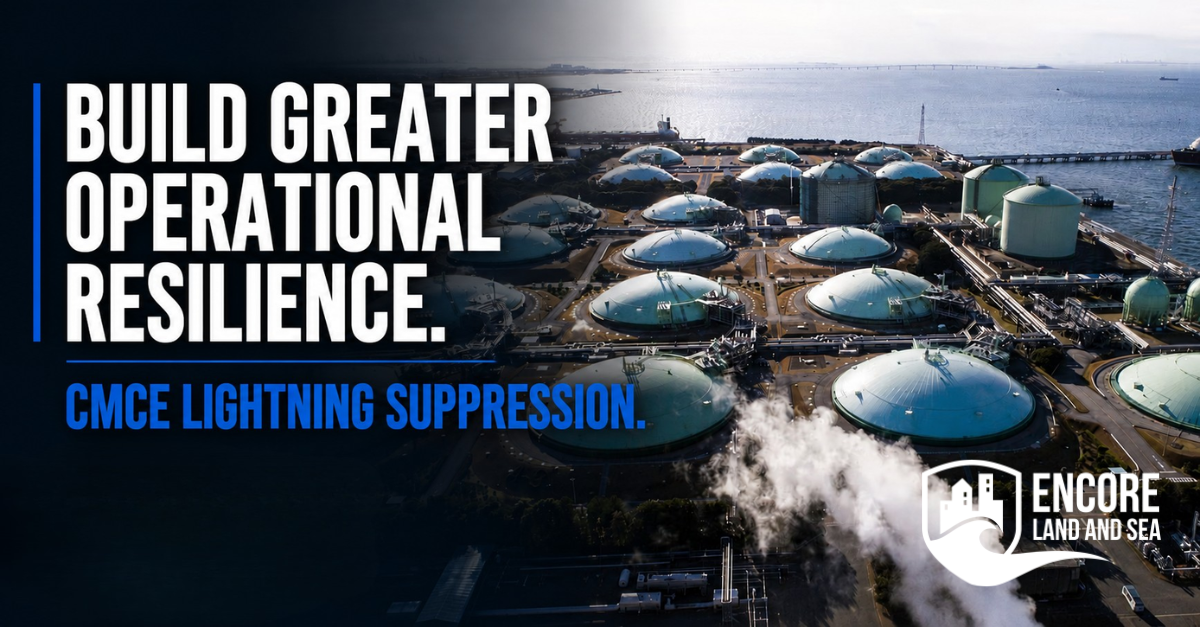
Build Greater Operational Resilience
Improving resilience isn't simply about adding more backup equipment—it's about reducing the chance that one event can impact all of it.
By addressing lightning as a common-cause failure risk, facilities can help:
- Improve operational reliability
- Reduce unplanned downtime
- Protect critical electrical and automation systems
- Increase confidence during severe weather
- Strengthen overall business continuity
Protecting critical infrastructure requires a comprehensive approach to power system reliability, a topic extensively covered by the
IEEE Power & Energy Society.
Evaluate Your Facility’s Exposure
If your operation depends on continuous uptime, consider these questions:
- Could one lightning event impact multiple critical systems?
- Are your redundant assets exposed to the same external threat?
- Does your current strategy only manage lightning after it strikes?
Understanding these risks is a key step toward building a more resilient facility.
Upgrade Your Lightning Protection Strategy
Contact Encore Land and Sea to
request a proposal and learn how
CMCE technology can protect your facility from the dangers of lightning strikes.
Phone:
(888) 360-7786
Email:
sales@encorelandandsea.com
Website:
www.encorelandandsea.com