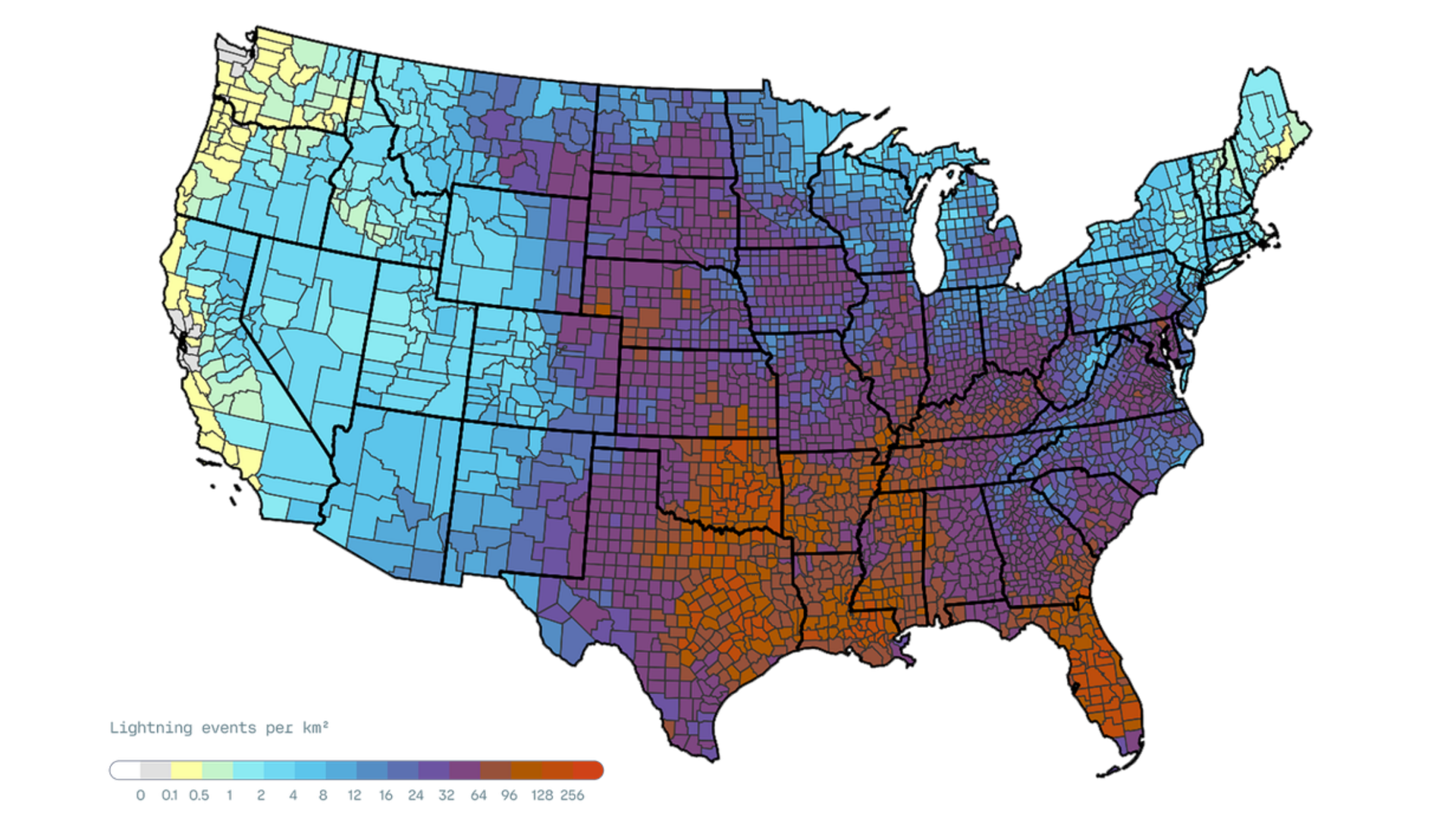
For decades, Florida and Texas were synonymous with lightning risk in the United States. In 2025, however, the landscape of lightning activity shifted dramatically — and the 2025 Vaisala Xweather Annual Lightning Report shows that Oklahoma has overtaken traditional hotspots to become the new lightning capital of the country.
A Record Year for Lightning
According to Vaisala’s comprehensive annual analysis of total (cloud-to-cloud and cloud-to-ground) lightning events, the U.S. experienced its highest lightning activity in nearly a decade in 2025. Lightning density surged, and a relatively small Oklahoma locale — Shady Grove, OK — recorded the highest lightning density of any U.S. location last year, surpassing long-time leaders in Florida and Texas.
This shift reflects broader changes in severe weather patterns and storm intensity across the Great Plains region. While Florida still remains among the most active states for lightning overall, Oklahoma’s concentrated activity in 2025 made it the stand-out lightning capital.
Why Lightning Risk Matters for Properties
Lightning isn’t just a spectacle of nature — it’s a serious physical threat to people and infrastructure alike:
- Commercial facilities with tall structures, sensitive electrical equipment, and large footprints face heightened risk of outages, fire damage, and costly downtime.
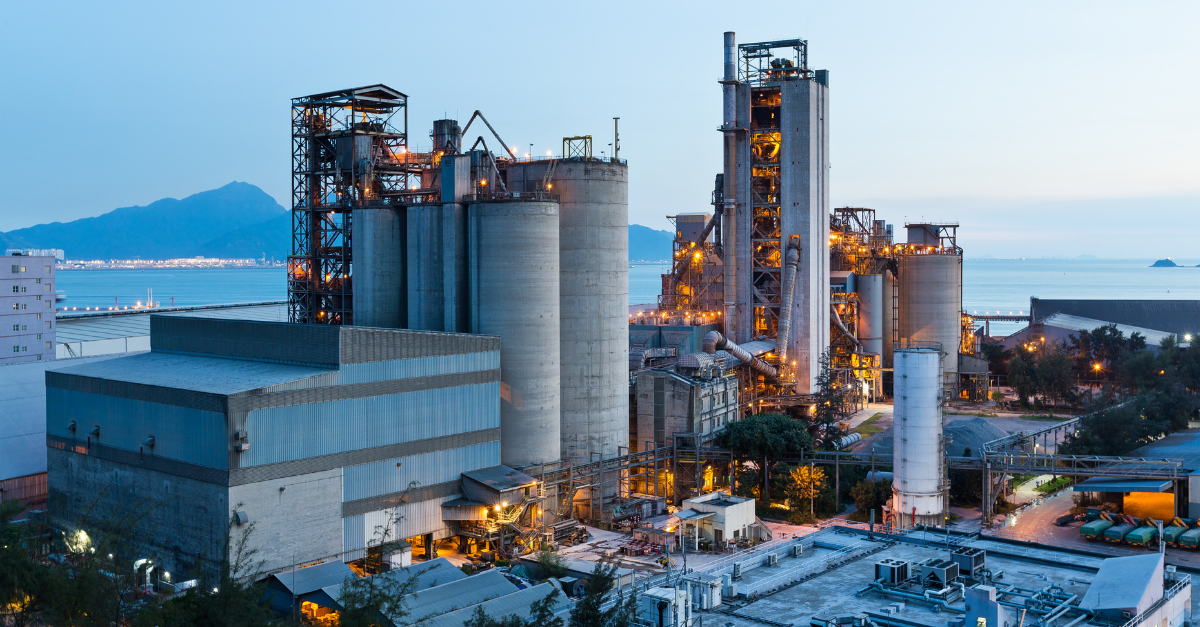
- Industrial plants with complex electrical and control systems are especially vulnerable to transient surges and equipment failure if struck or even indirectly affected by a nearby strike.
- Residential properties, from single homes to housing communities, suffer electrical damage, fire hazards, and disruption of daily life when lightning strikes.
Coupled with climate-driven increases in storm intensity, the 2025 lightning data underscores that every property type — regardless of location — needs robust lightning protection. Waiting for a direct strike before acting is not a strategy; lightning doesn’t issue warnings, and each bolt delivers millions of volts in a fraction of a second.
The Need for CMCE Lightning Suppression?
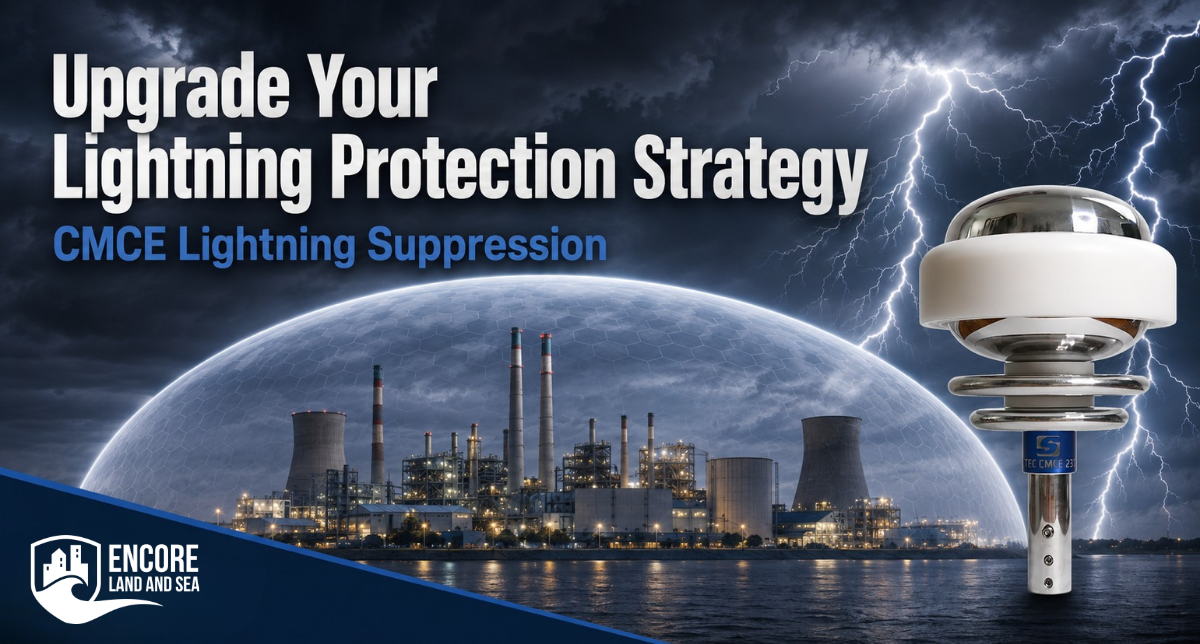
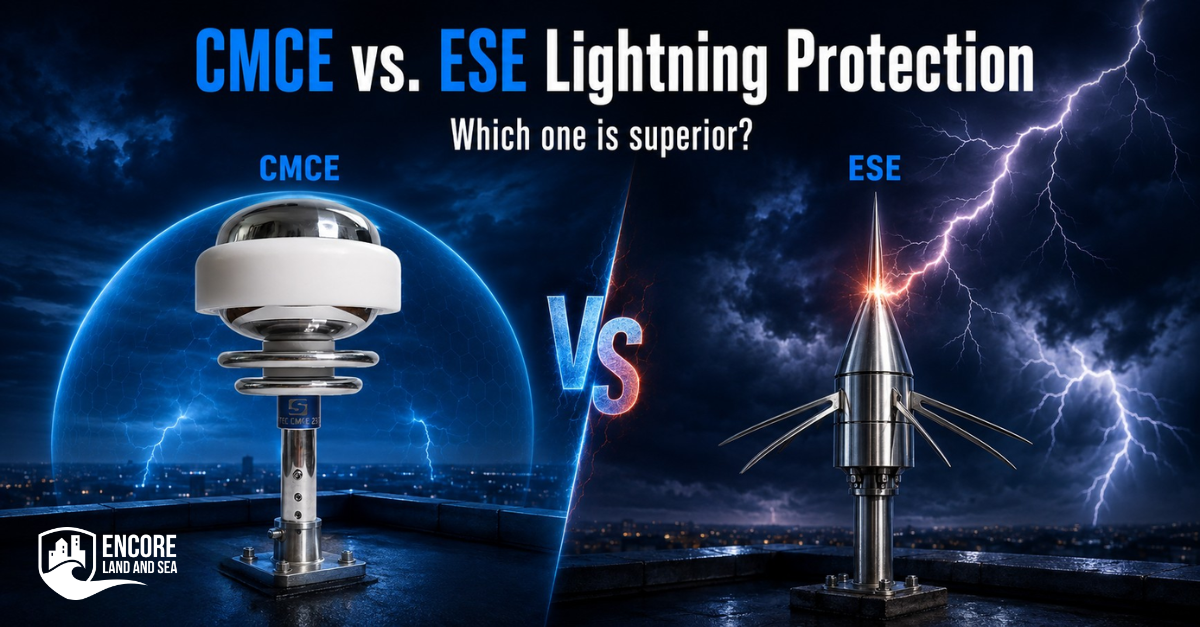
Unlike conventional systems that simply react to strikes, CMCE Lightning Suppression is engineered to prevent strike formation in the first place — significantly reducing the risk of damage:
- Proactive protection: CMCE technology eliminates the likelihood of lightning strike formation over protected structures and outdoor areas.
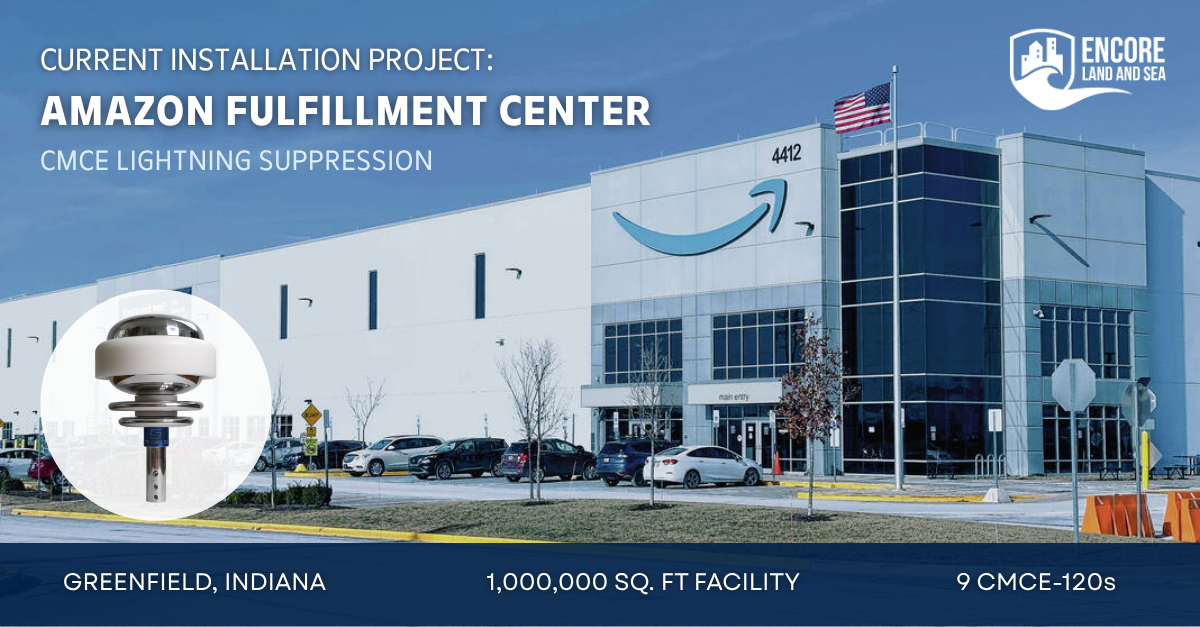
- Protects wide areas: Whether it’s a large industrial facility, multi-use development, or residential property, only one CMCE is needed to protect up to 500,000 square feet.
- Peace of mind for property owners: With Oklahoma now the lightning capital, facilities and homes across the Plains — and nationwide — can benefit from superior CMCE technology.
Take Action – Don't Wait for the Next Storm
As the 2025 Vaisala report confirms, lightning risk is not static — regional patterns change, and exposure can emerge where it wasn’t previously expected.
For commercial real estate owners, industrial operators, and residential property managers, investing in advanced lightning protection isn’t just smart — it’s essential. In regions like Oklahoma that now lead the nation in lightning density, the cost of inaction can far outweigh the cost of CMCE Lightning Suppression.
Invest in the Best on the Market
Request a complimentary custom quote for your property today. Our team provides exceptional customer service and complete turnkey solutions — from consultation to installation — so you can enjoy true and complete peace of mind throughout the entire process. Protect what matters most with CMCE Lightning Suppression, the smarter, safer way to stop lightning before it strikes.