Why Industrial Facilities Are Replacing Conventional Lightning Rods with Lightning Suppression Technology
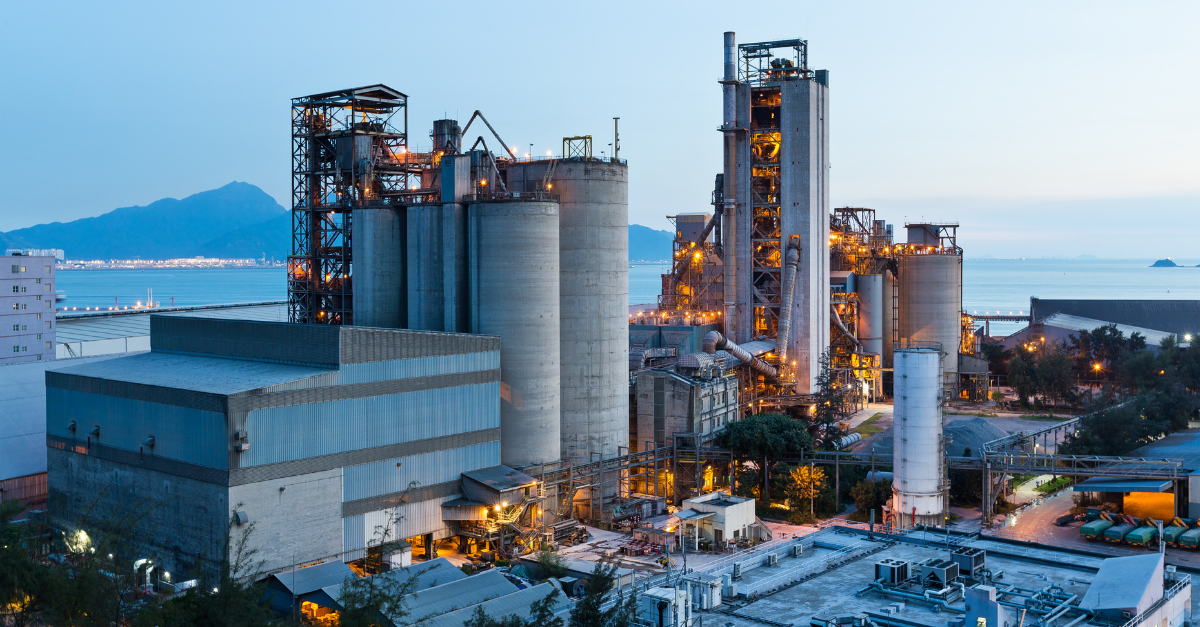
Today's industrial facilities operate in an environment where every second of uptime matters. Data centers power AI workloads around the clock. Chemical plants process volatile materials continuously. Oil and gas terminals store highly flammable products. Utilities keep electrical grids energized, while manufacturers depend on automated production lines that cannot afford unexpected interruptions.
Yet many facilities continue to rely on a lightning protection philosophy developed more than 250 years ago—one that waits for lightning to form before attempting to intercept it.
Modern operations deserve a smarter approach.
The
CMCE Lightning Suppression System is changing how industrial leaders protect critical infrastructure by preventing lightning strike formation instead of simply attracting and conducting lightning after it strikes.
Traditional Lightning Protection Creates More Complexity Than Coverage
Conventional lightning protection systems typically require:
- Lightning rods installed on every structural high point
- Multiple air terminals across large facilities
- Extensive conductor networks
- Numerous grounding connections
- Ongoing inspections and maintenance
For facilities covering hundreds of thousands—or even millions—of square feet, this often results in complex protection systems that still rely on allowing lightning to fully develop before managing where it strikes.
Industrial environments such as:
- Data centers
- Oil and gas storage terminals
- Chemical processing plants
- Utility substations
- Manufacturing facilities
- Water and wastewater treatment plants
These properties need more than a reactive solution. They need technology that eliminates the likelihood of lightning formation altogether.
Downtime Is More Expensive Than Ever
A single lightning event can result in:
Production shutdowns
Damaged electrical infrastructure
Safety risks for personnel
Equipment failures
Data loss
Service interruptions
Costly inspections and repairs
According to the
National Weather Service,
lightning causes billions of dollars in damage each year across the United States, affecting critical infrastructure, industrial facilities, and essential services.
As facilities become increasingly automated and electrified, the financial consequences of downtime continue to grow. Waiting for lightning to strike is no longer the best strategy.
One CMCE Lightning Suppressor Covers What Traditional Systems Cannot
Unlike conventional lightning rods that attempt to manage lightning after it strikes, the
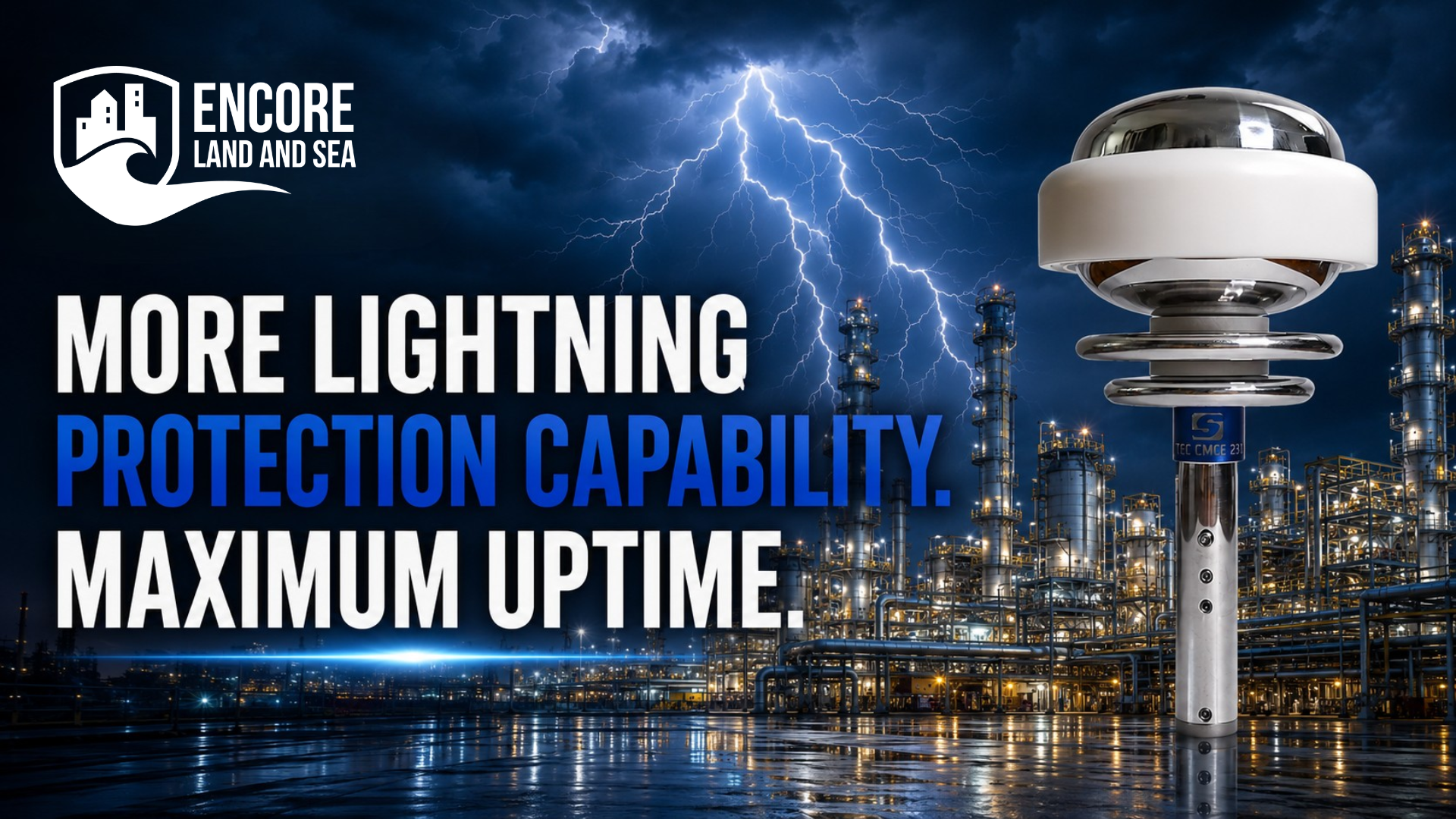
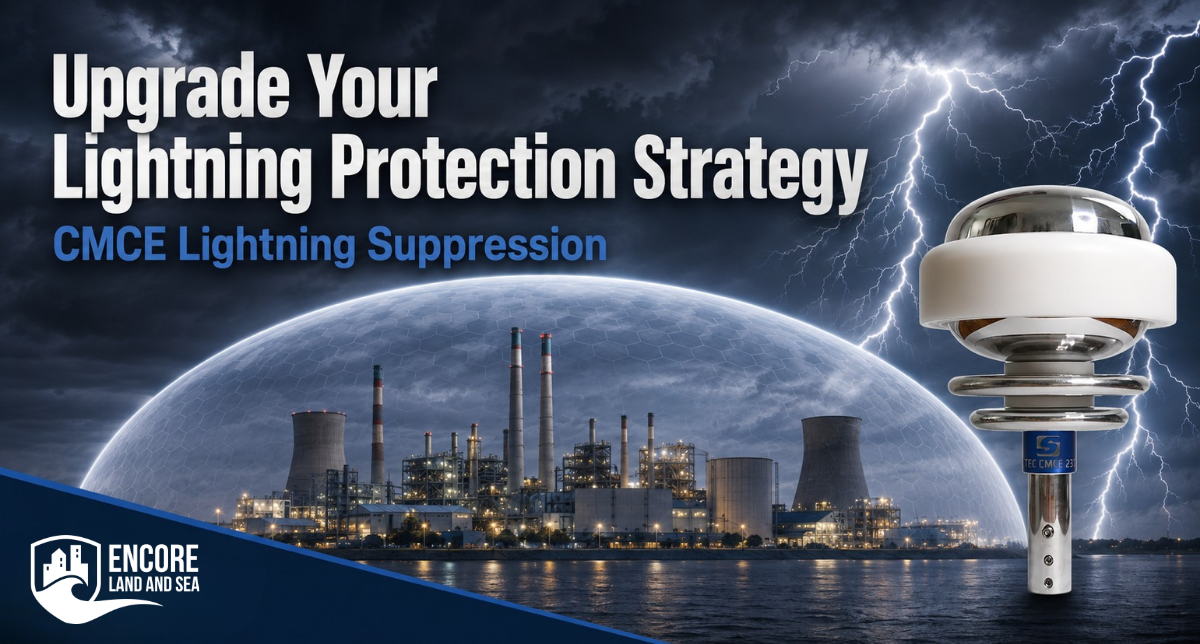
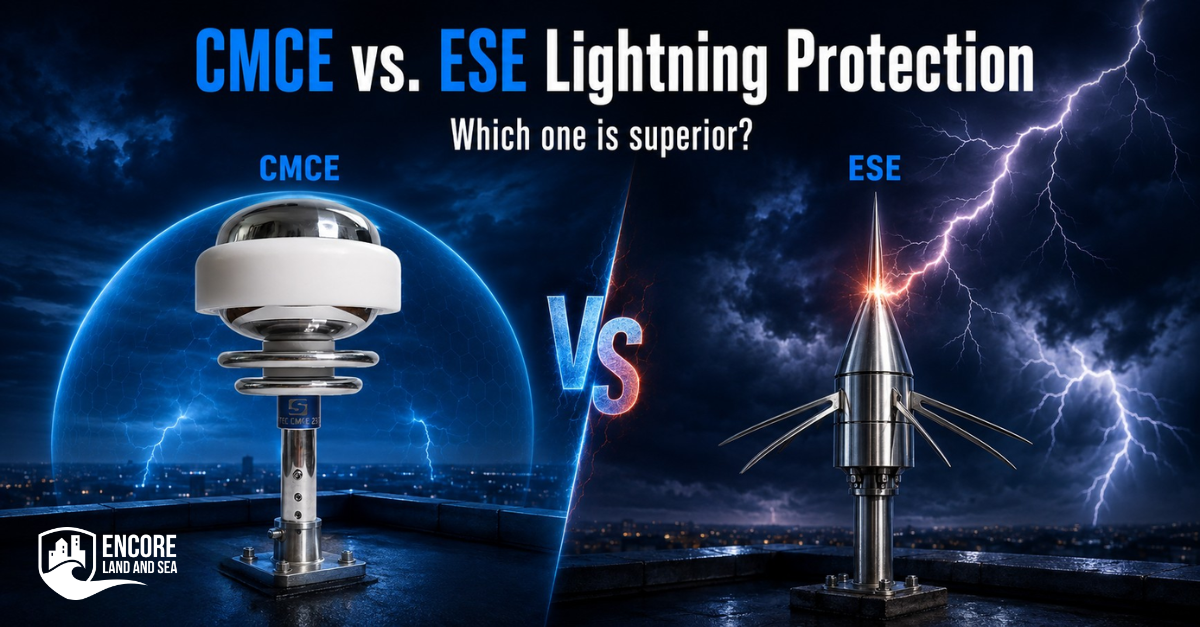
CMCE Lightning Suppressor continuously works to neutralize the atmospheric electrical conditions that lead to lightning formation.
Using scientifically developed deionization technology, the CMCE balances the electrical charge imbalance between cloud and ground that produces upward streamers—the critical step required for a lightning strike.
The result is a
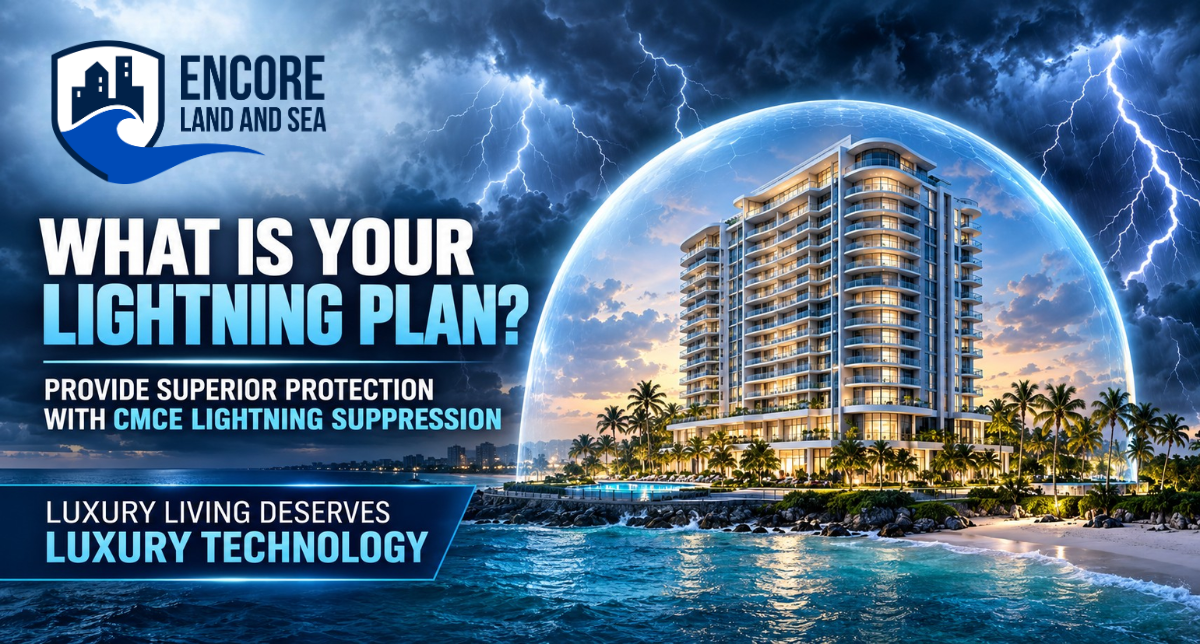
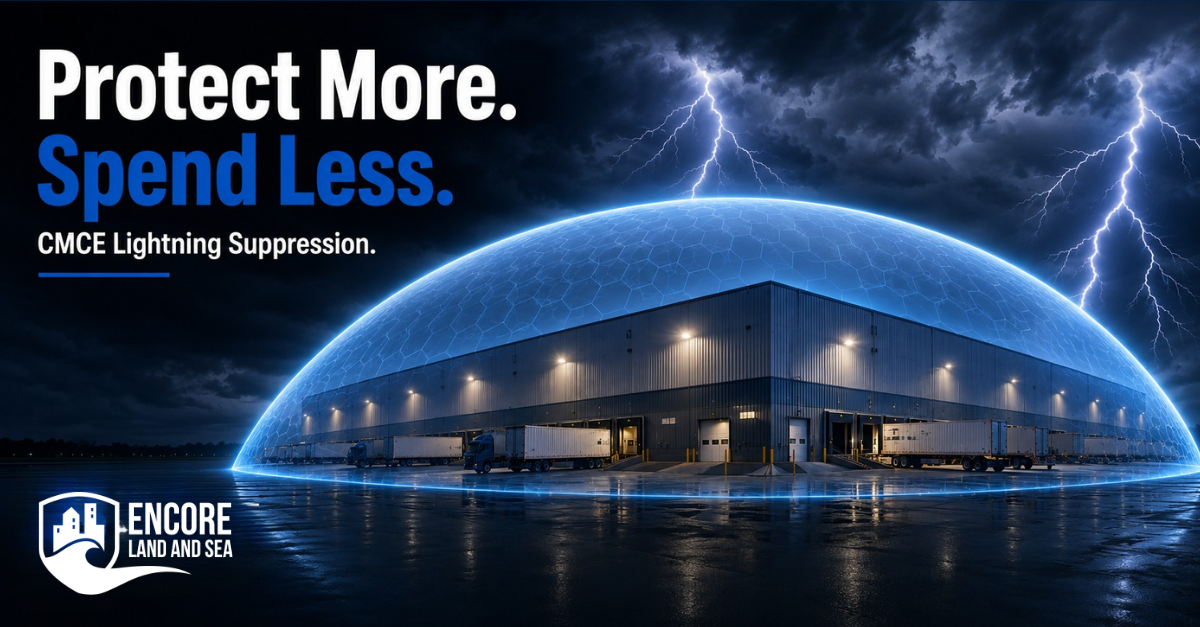
dome of lightning-free protection over your most valuable infrastructure.
Maximum Coverage
One
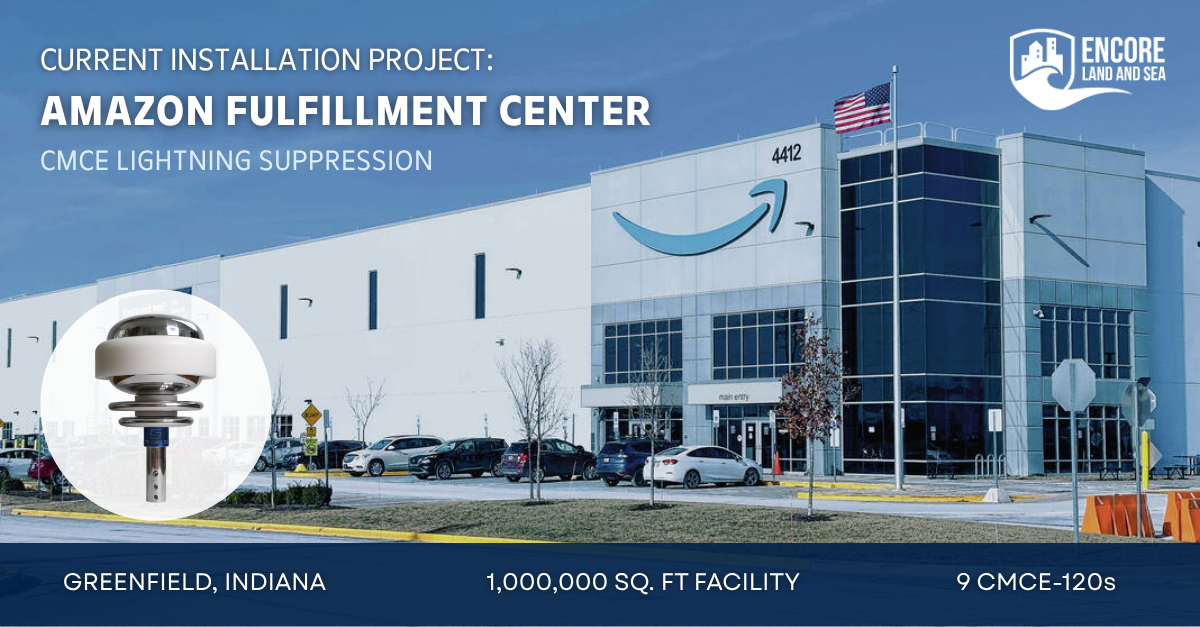
CMCE-120 Lightning Suppressor protects an
800-foot diameter, or
500,000 square feet in total.
Instead of installing lightning rods on every rooftop peak, storage tank, communications tower, pipe rack, or elevated structure, facilities can often protect large operational areas with significantly fewer suppression units.
This approach provides:
- Greater area coverage
- Simplified infrastructure
- Reduced visual impact
- Minimal long-term maintenance requirements
- Continuous passive protection
Whether protecting AI data centers, tank farms, manufacturing campuses, or chemical processing plants, the objective remains the same:
Prevent lightning formation before it becomes a threat.
Proven Through International Certifications and Independent Laboratory Testing
The
CMCE Lightning Suppression System is supported by
internationally recognized certifications, independent laboratory testing, and
global approvals
that demonstrate its commitment to quality, performance, and compliance.
Highlights include:
- UL Certified
- ISO 9001:2015 Certified
- ISO 14001:2015 Certified
- IEC 62305 Compliance
- EN, UNE-EN, and BS-EN 62305 Compliance
- RoHS Compliant
- UKCA Marking
- Lloyd's Register Type Approval
- RINA Type Approval
- NATO Cataloging System Approved (NCAGE: SFKU3)
- TESLA Institute Approval
Independently Laboratory Tested
Independent laboratory studies have demonstrated:
- High-voltage impulse testing
- Electrical testing up to
840 kV
- No upward tracer formation during testing
- Environmental testing
- Salt fog testing
- Sulfurous atmosphere testing
- Current and priming evaluations
Testing has been completed under internationally recognized standards including:
- IEC 60060
- IEC 62305
- UNE 21186
- NFC 17102
These certifications provide industrial engineers, facility managers, utilities, and project consultants with confidence that the technology has been evaluated by respected independent organizations—not simply manufacturer testing.
Why More Coverage Means More Operational Confidence
Instead of protecting individual structures, lightning suppression protects operational environments.
That means:
- Greater resilience
- Increased uptime
- Reduced operational risk
- Better protection for critical assets
- Greater confidence during severe weather
For organizations where continuous operation is essential, preventing lightning formation offers a fundamentally different approach than attempting to control where lightning lands.
More Capability. Less Complexity.
Industrial facilities don't need more lightning rods. They need better protection.
With an
800-foot protection diameter, internationally recognized certifications, independent laboratory validation, and a proactive approach that prevents lightning strike formation, the
CMCE Lightning Suppression System represents the next evolution in industrial lightning protection.
When uptime matters, protecting your entire operation—not just individual structures—makes all the difference.
Elevate Your Lightning Protection Strategy
Contact Encore Land and Sea to
request a proposal and learn how
CMCE technology can protect your facility from the dangers of lightning strikes.
Phone: (888) 360-7786
Email:
sales@encorelandandsea.com
Website:
www.encorelandandsea.com