Your Building's Critical Systems Are More Exposed Than You Think
If your building depends on elevators, rooftop HVAC units, or centralized electrical systems, then it is operating with a level of exposure that is often underestimated.
Modern buildings are no longer just structures — they are interconnected systems. Elevators rely on control panels and motors. Rooftop equipment depends on uninterrupted electrical flow. HVAC systems, fire safety infrastructure, and automation systems are all tied into the same network.
It's Not Just Direct Strikes — It's the Electrical Environment
In storm-prone environments, the issue isn't just direct lightning strikes. It's the electrical conditions surrounding your building. Fluctuations in atmospheric charge can create disturbances strong enough to interfere with sensitive systems — sometimes without a strike ever occurring.
High-rise buildings naturally operate in a more active electrical environment. Their height and structural composition expose them to stronger atmospheric conditions, while rooftop equipment sits at the most vulnerable points of the building. At the same time, these properties rely on centralized systems to power elevators, HVAC, and daily operations — meaning even small disturbances can escalate into building-wide disruptions.
When that happens, failures don't stay isolated. Elevators go offline. HVAC systems shut down. Control systems fault or reset. And suddenly, a fully operational building becomes difficult — or impossible — to use.
Why Traditional Lightning Protection Falls Short for Commercial Buildings
Traditional lightning protection systems are inherently reactive. They are designed to intercept and safely ground a lightning strike after it has already formed. While this reduces structural damage, it does not address the underlying conditions that allow a strike to occur — or the electrical instability that can impact sensitive systems before or during the event.
Property managers should be asking a different set of questions. Not just whether their building is protected in the event of a lightning strike, but what happens to daily operations if critical systems suddenly go offline. How quickly can systems recover? What is the true cost of downtime — not just in repairs, but in tenant experience and long-term asset value?
How the CMCE Lightning Suppressor Protects Elevators and Rooftop Equipment
This is where the CMCE changes the conversation.
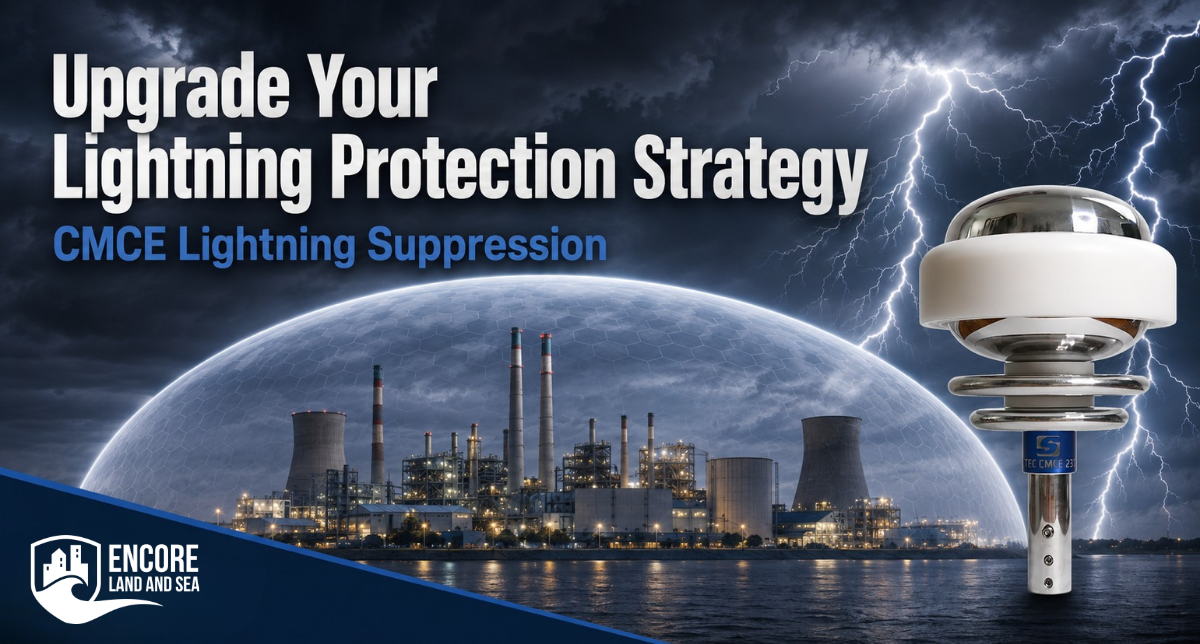
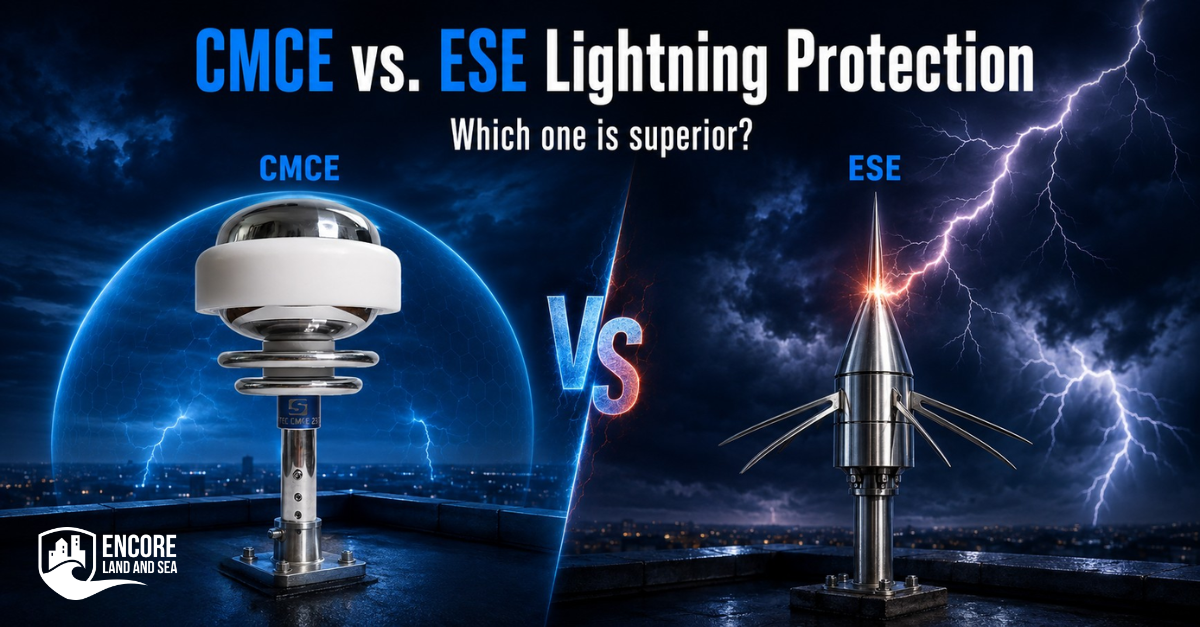
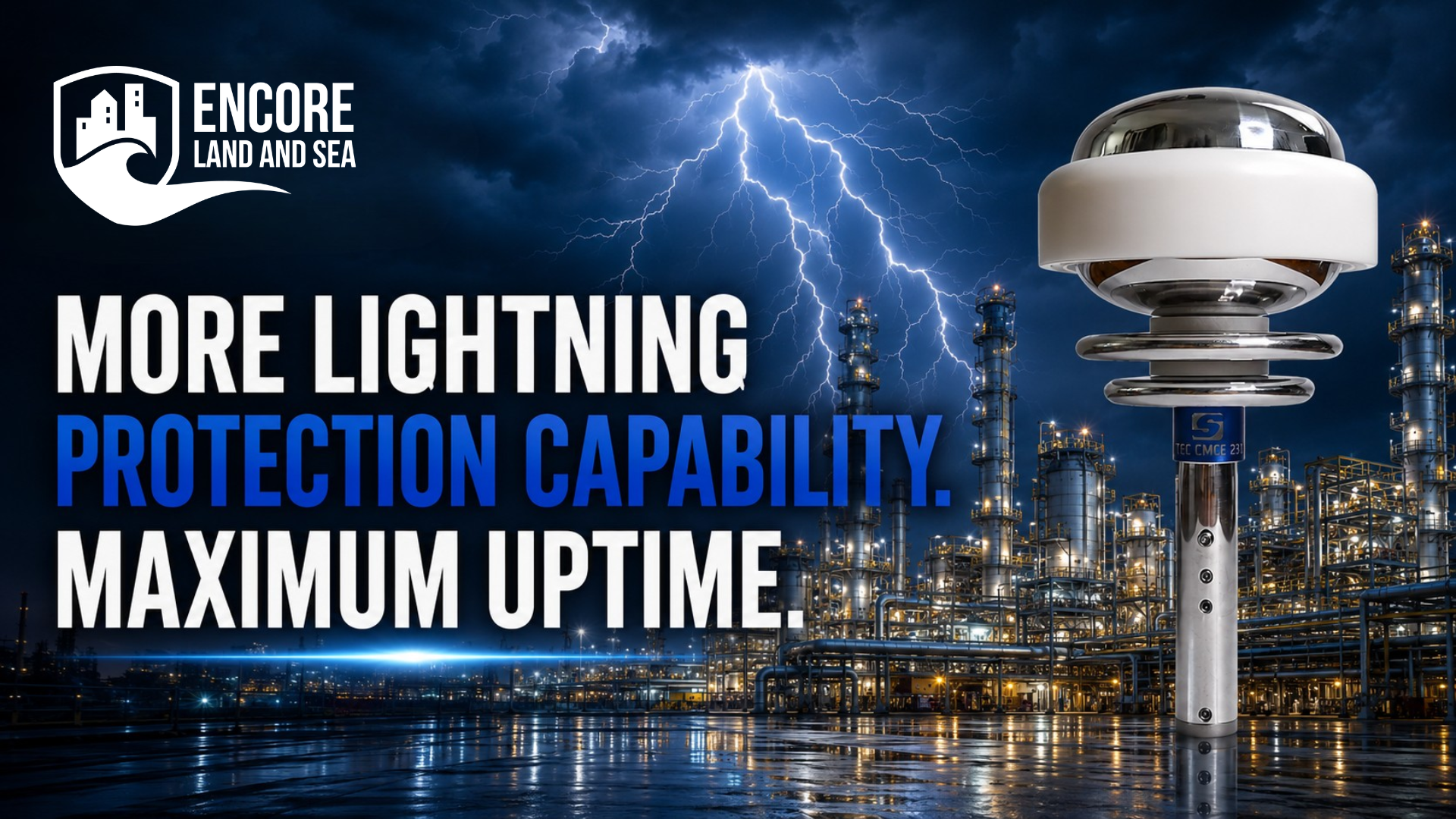
The CMCE lightning suppressor takes a preventative approach. Instead of focusing solely on how a building responds after a lightning event, the CMCE is designed to address the environment that creates the risk in the first place. By helping stabilize atmospheric electrical conditions around a structure, it works to reduce the likelihood of disruptive events that can impact critical systems like elevators and rooftop equipment.
For property managers, this reframes the approach to protection — from planning for recovery to actively reducing the chances of operational disruption altogether. It becomes less about reacting under pressure, and more about maintaining consistency, reliability, and control across the property — and most importantly, peace of mind.
The Stakes Are Rising for Commercial Property Owners
As buildings become more advanced and more dependent on continuous electrical performance, the margin for disruption continues to shrink. What was once considered a rare event is now a
predictable operational risk.
For property owners, developers, and facility managers, the conversation is shifting. Protection is no longer just about compliance or damage control — it is about maintaining continuity. If your building relies on elevators and rooftop systems, then your operations depend on electrical stability.
And protecting that stability starts before the first strike ever forms.
Find the Right CMCE Model for Your Building